Topography of Seeing

Is Jumalon
Silverlens, Manila

About

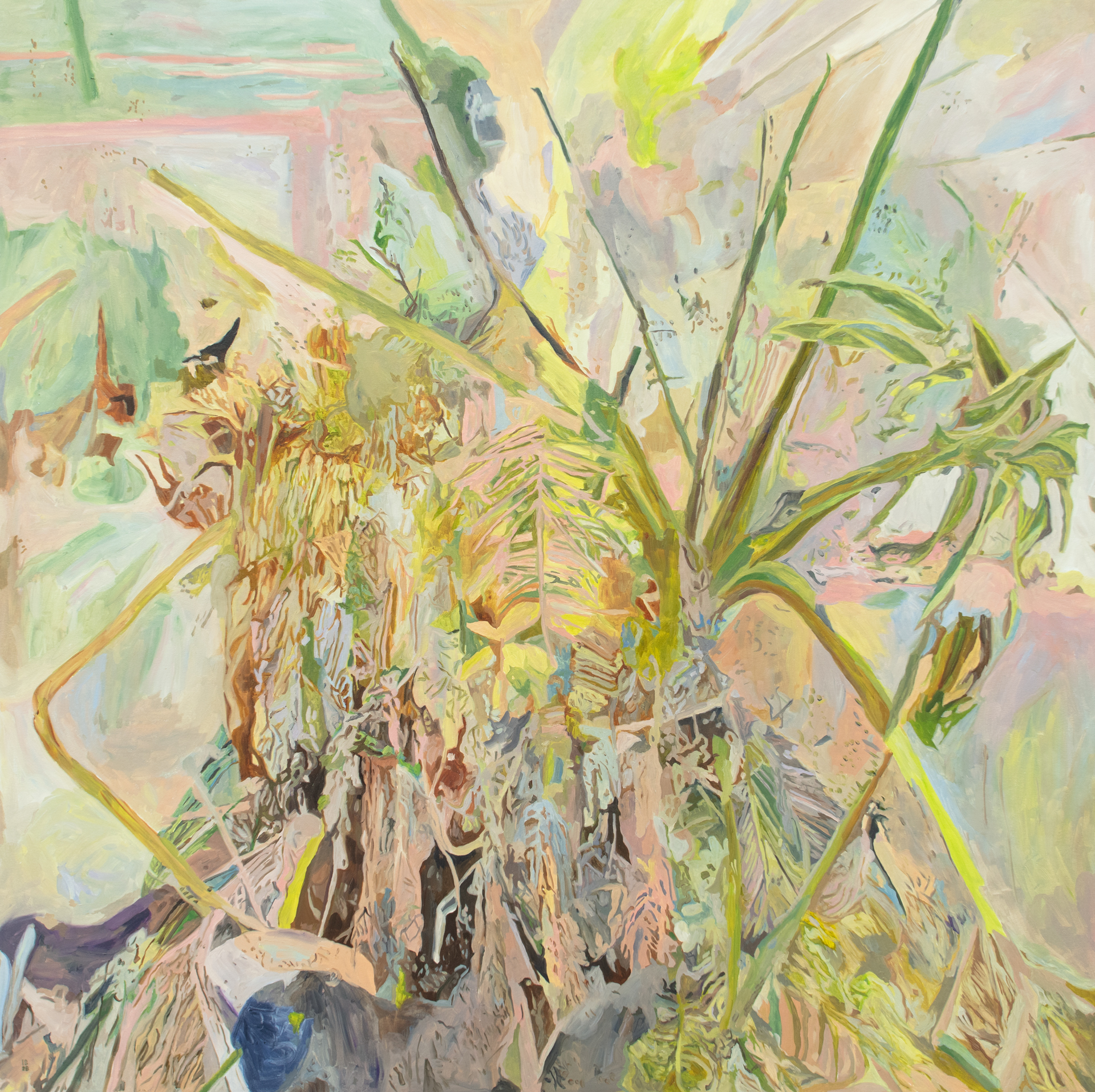
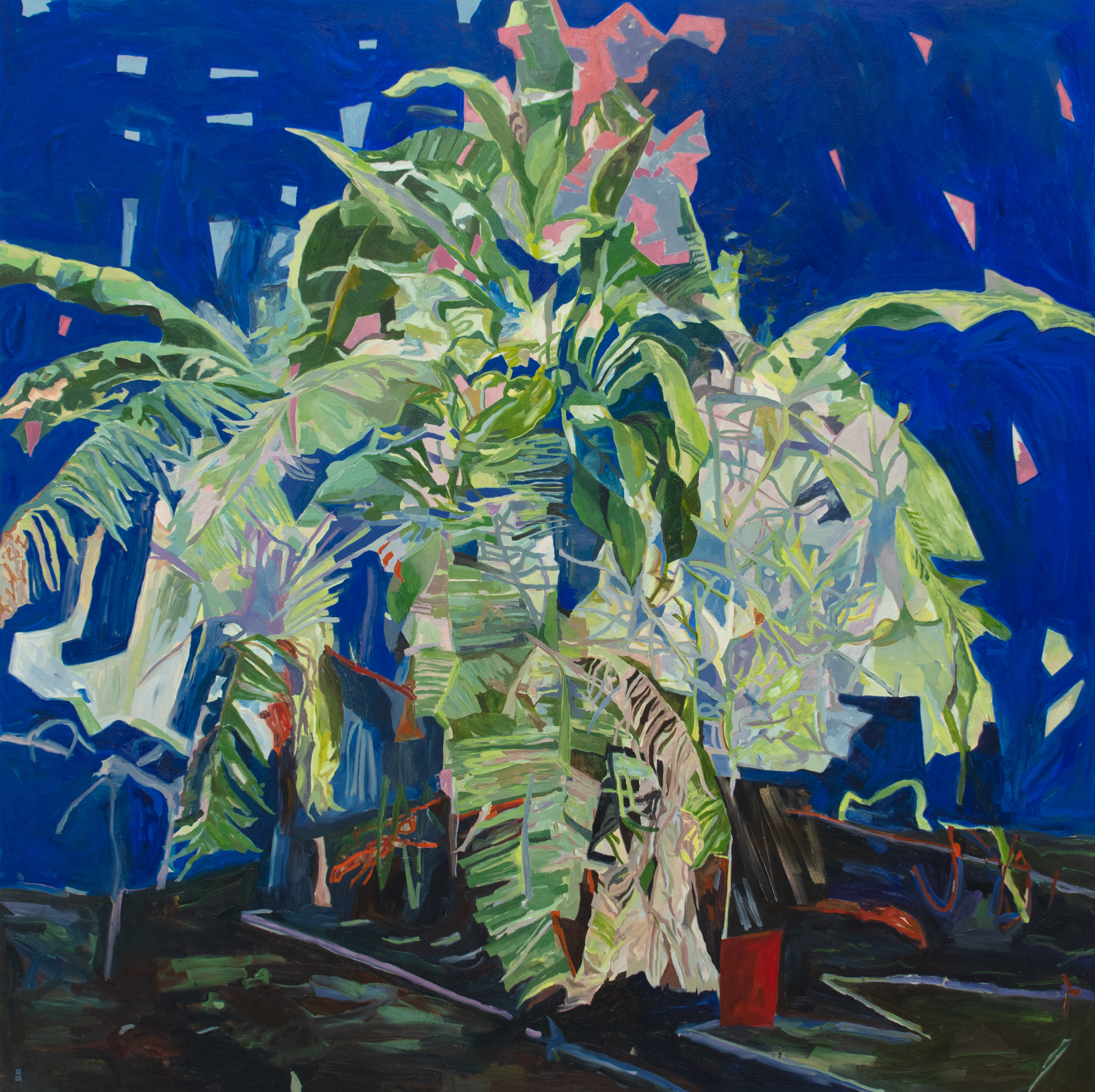
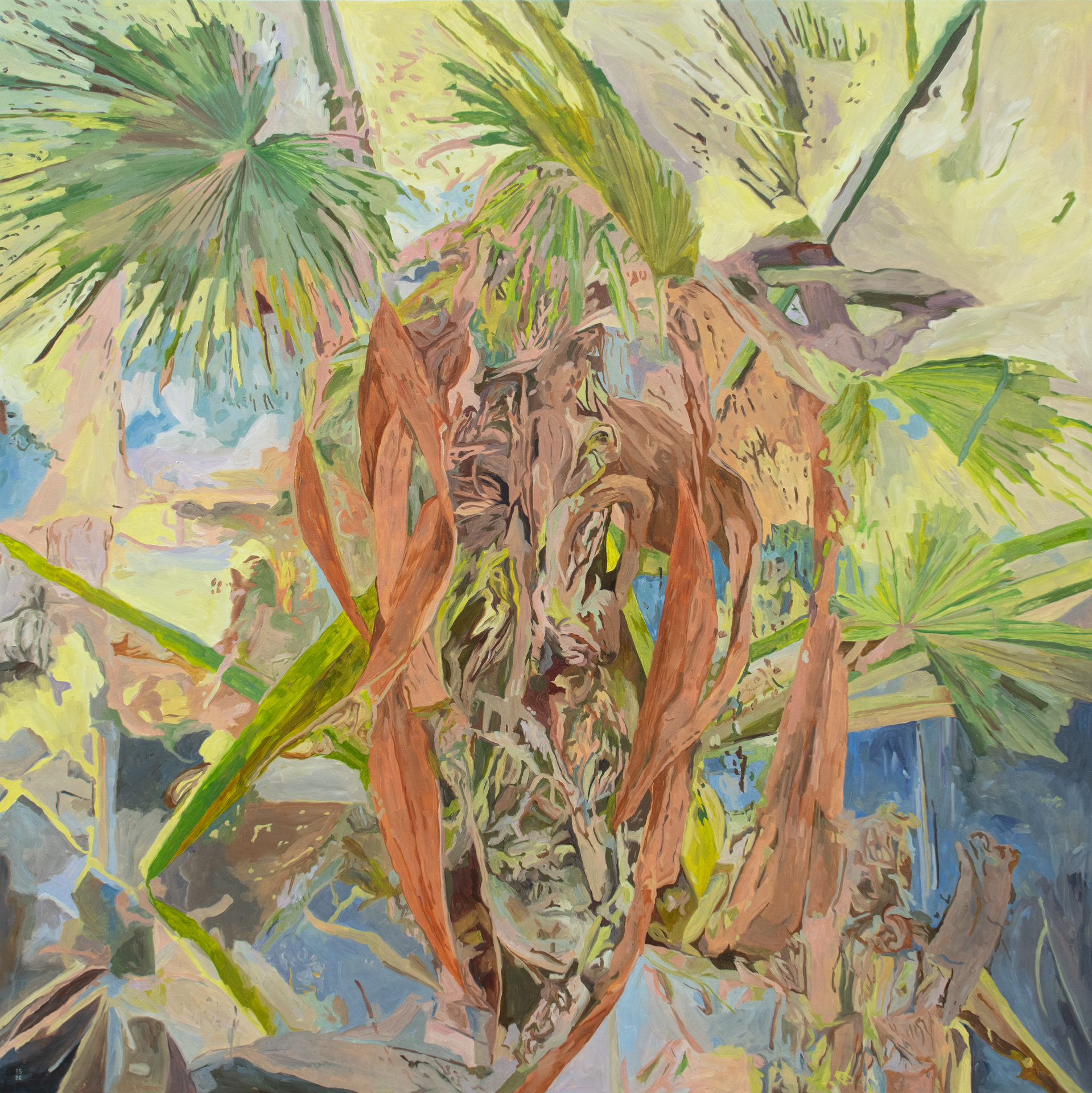
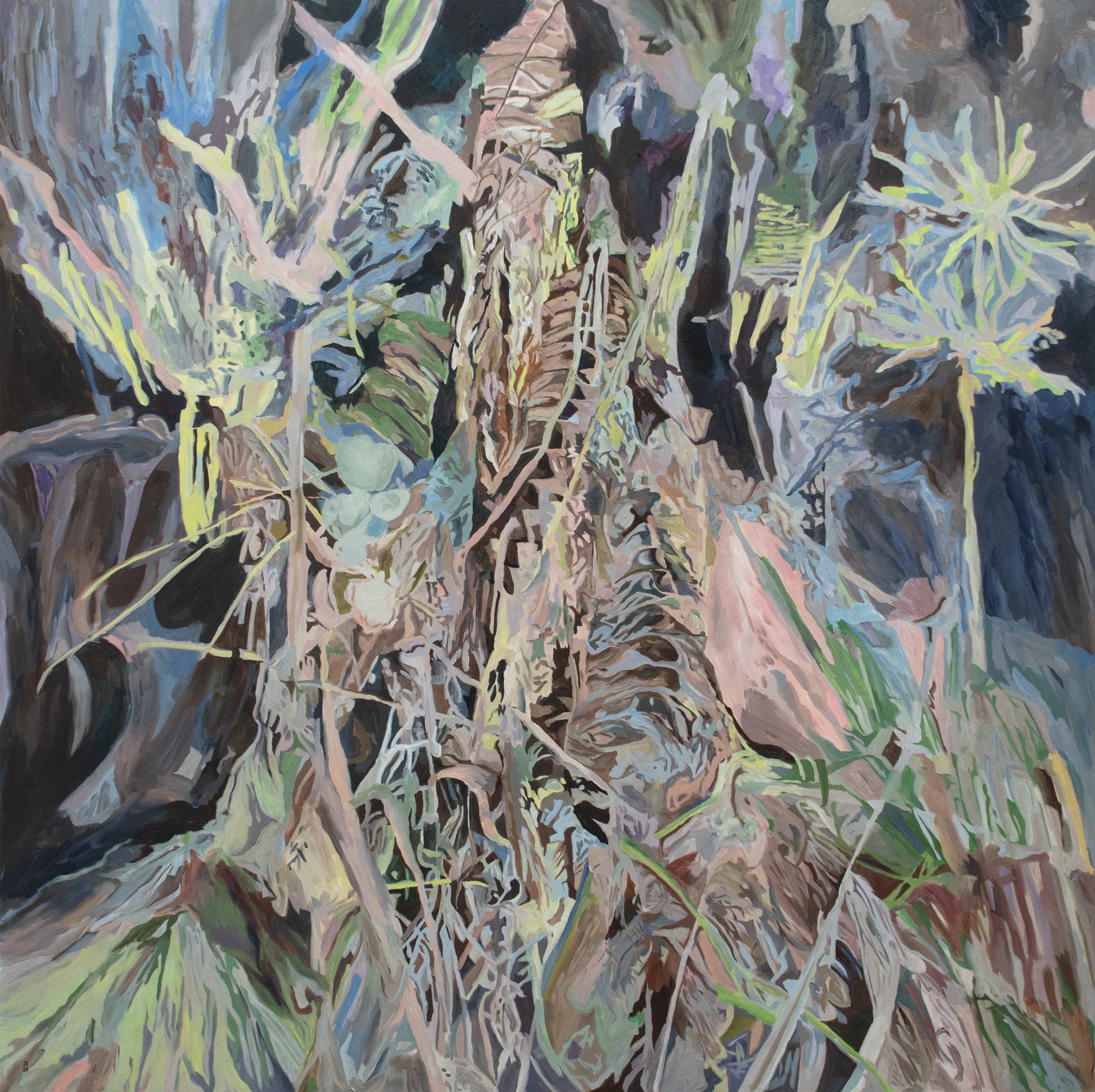
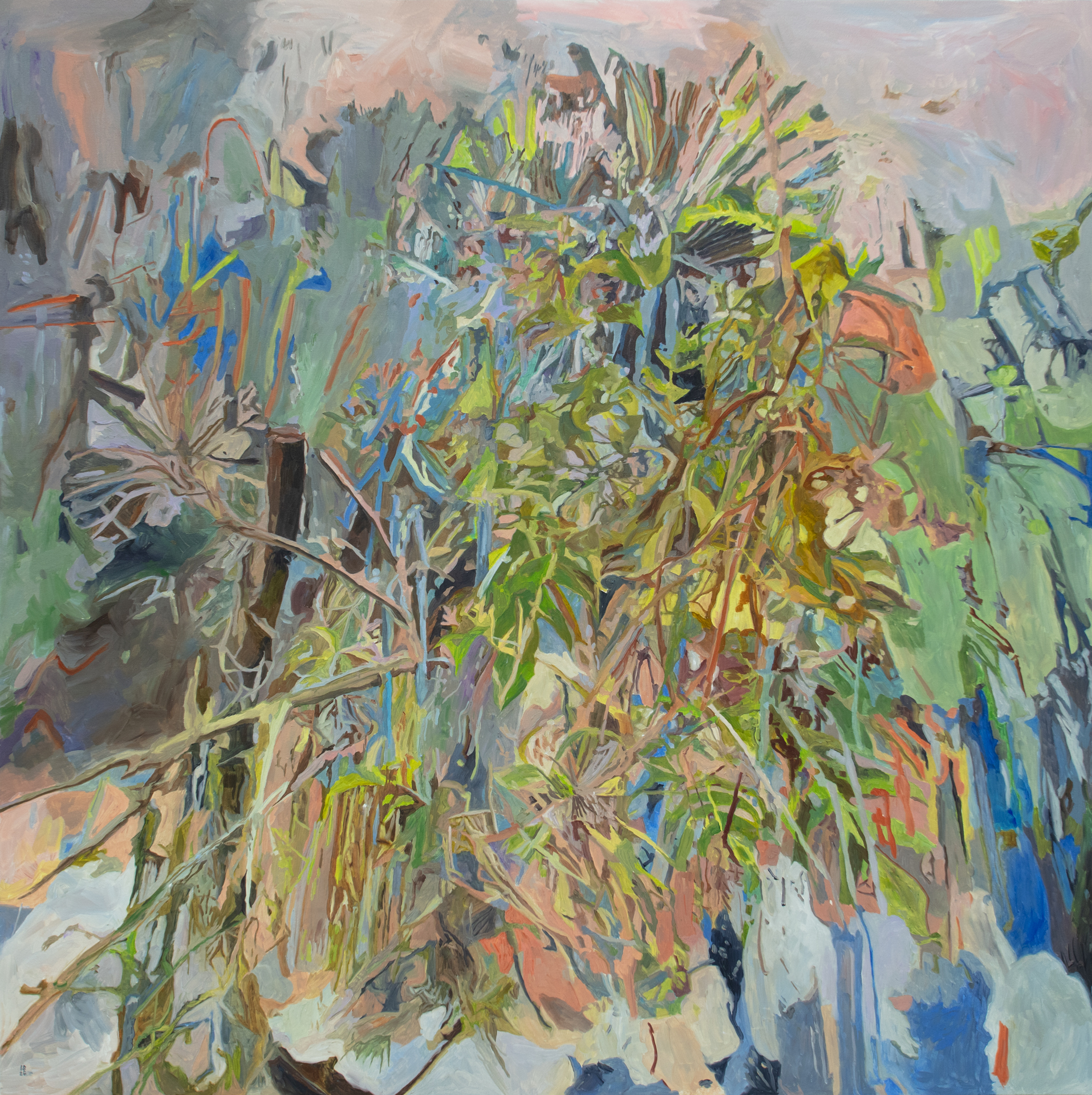
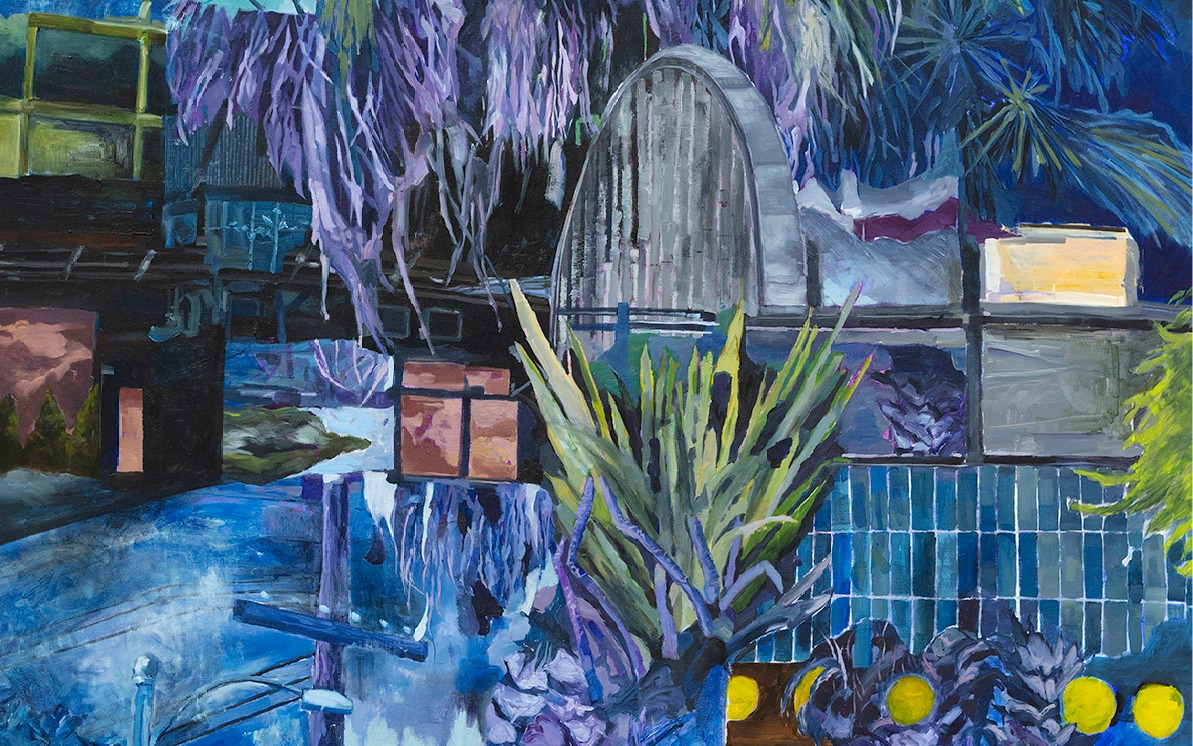
    Across these warped formations, tendrils, branches, roots, and other sinuous, irregular forms draw us into a new vocabulary for understanding the landscape as a genre. Enter Is Jumalon’s terrain: a fertile ground that unfixes our traditional ideas of the landscape as a pastoral, panoramic ideal of a place. 

    Any trace of classicism that exists here is shattered by shards and harsh angles of color that evoke a mutable logic: here are habitats in the service of suggestion and intimacy, psychotropic resonance and visual stimuli. In this world, natural forms mutate to the beat of a freakish interior rhythm. While most artists turn to the landscape form as a quiet retreat from the commotions of city life, Is Jumalon is content to let all the hazards and oddities of the natural world—the crags, fluctuations, and textures—hang out in the open. And in this openness, growth and gravity, time and tenderness fill in the gaps of a narrative. 

    What hides in plain sight, submerged beneath these ambiguous forms, are the narratives that make up a place, and in Jumalon’s case, these are the rock formations from the Mount Pulong Bato monoliths in Zamboanga where she grew up. Hearing narratives from her parents about the rice fields, mounds of soil, and blades of grass imbued the place with a sense of mystery, danger even, that persists in the visceral hues and collagistic meldings of these paintings. 

    Jumalon’s latest exhibition finds a form in the mountainous terrain of Zamboanga, what she might call a “dual soul.” This opposition sees an acknowledgment of the place’s totality, beauty, and sheer wonder as part and parcel of the other side, lurking at the edge—the real and very palpable threat of death, destruction, violence. Being raised in this context has allowed Jumalon to have a natural feel for these polarities, and this ease in navigating opposites shows viscerally in the paintings themselves.

    Atmosphere, aura, and pigment all range dramatically across these paintings as Jumalon draws from oceanic blues and earthy greens; the visual stretch of color of these paintings  signal a desire to apprehend a world that’s erratic, dynamic, and always in the midst of change. “My recent works, where I try to invent imagined landscapes or build habitats, feel like my way of negotiating with nature rather than escaping it. I think I like arranging disorder,” Jumalon says. “I often ask myself what kind of place I am making possible.”

    That negotiation invites us to linger all the more closer to a world witness to all kinds of unimaginable losses and violences. The landscape, Jumalon posits, can make room for both vulnerable life and ongoing death, can resemble something both vibrantly alive and utterly unalive. Locating the tension between these polarities is the primary lifeblood of Jumalon’s exoskeletal landscapes, glimmering with an intensity that borders on psychedelic. That experience is no accident. “I’m interested in creating a situation where meaning is constructed through the experience of looking rather than through fixed answers,” Jumalon describes the practice of attending to her paintings. 

    In this new series of works, Jumalon paints an interface and an inheritance—a way of looking at the world that prioritizes curiosity and welcomes disruption. A world that inhales and exhales as you do. A form is never just one thing, these paintings suggest, but a series of possibilities which both structure and accident conspire to make real. Linger with these pieces and stay with the feelings that they evoke, and soon enough they begin to behave like an entity of sorts. Within these resonances, Jumalon’s paintings exist as their own topography of perceptions and projections, drawing us deeper into the mysteries that reside within and beyond them.

    Words by Sean Carballo

Across these warped formations, tendrils, branches, roots, and other sinuous, irregular forms draw us into a new vocabulary for understanding the landscape as a genre. Enter Is Jumalon’s terrain: a fertile ground that unfixes our traditional ideas of the landscape as a pastoral, panoramic ideal of a place. 

Any trace of classicism that exists here is shattered by shards and harsh angles of color that evoke a mutable logic: here are habitats in the service of suggestion and intimacy, psychotropic resonance and visual stimuli. In this world, natural forms mutate to the beat of a freakish interior rhythm. While most artists turn to the landscape form as a quiet retreat from the commotions of city life, Is Jumalon is content to let all the hazards and oddities of the natural world—the crags, fluctuations, and textures—hang out in the open. And in this openness, growth and gravity, time and tenderness fill in the gaps of a narrative. 

What hides in plain sight, submerged beneath these ambiguous forms, are the narratives that make up a place, and in Jumalon’s case, these are the rock formations from the Mount Pulong Bato monoliths in Zamboanga where she grew up. Hearing narratives from her parents about the rice fields, mounds of soil, and blades of grass imbued the place with a sense of mystery, danger even, that persists in the visceral hues and collagistic meldings of these paintings. 

Jumalon’s latest exhibition finds a form in the mountainous terrain of Zamboanga, what she might call a “dual soul.” This opposition sees an acknowledgment of the place’s totality, beauty, and sheer wonder as part and parcel of the other side, lurking at the edge—the real and very palpable threat of death, destruction, violence. Being raised in this context has allowed Jumalon to have a natural feel for these polarities, and this ease in navigating opposites shows viscerally in the paintings themselves.

Atmosphere, aura, and pigment all range dramatically across these paintings as Jumalon draws from oceanic blues and earthy greens; the visual stretch of color of these paintings  signal a desire to apprehend a world that’s erratic, dynamic, and always in the midst of change. “My recent works, where I try to invent imagined landscapes or build habitats, feel like my way of negotiating with nature rather than escaping it. I think I like arranging disorder,” Jumalon says. “I often ask myself what kind of place I am making possible.”

That negotiation invites us to linger all the more closer to a world witness to all kinds of unimaginable losses and violences. The landscape, Jumalon posits, can make room for both vulnerable life and ongoing death, can resemble something both vibrantly alive and utterly unalive. Locating the tension between these polarities is the primary lifeblood of Jumalon’s exoskeletal landscapes, glimmering with an intensity that borders on psychedelic. That experience is no accident. “I’m interested in creating a situation where meaning is constructed through the experience of looking rather than through fixed answers,” Jumalon describes the practice of attending to her paintings. 

In this new series of works, Jumalon paints an interface and an inheritance—a way of looking at the world that prioritizes curiosity and welcomes disruption. A world that inhales and exhales as you do. A form is never just one thing, these paintings suggest, but a series of possibilities which both structure and accident conspire to make real. Linger with these pieces and stay with the feelings that they evoke, and soon enough they begin to behave like an entity of sorts. Within these resonances, Jumalon’s paintings exist as their own topography of perceptions and projections, drawing us deeper into the mysteries that reside within and beyond them.

Words by Sean Carballo

Works

Is Jumalon
Caught in the Sun
2026
17227
2
oil on canvas
60h x 60w x 1.77d in, 152.5h x 152.5w x 4.5d cm
-1
0.00
PHP
0
Details
Is Jumalon
Pressed to the Palm
2026
17228
2
oil on canvas
60h x 60w x 1.77d in, 152.5h x 152.5w x 4.5d cm
-1
0.00
PHP
0
Details
Is Jumalon
Bone
2026
17224
2
oil on canvas
60h x 60w x 1.77d in, 152.5h x 152.5w x 4.5d cm
-1
0.00
PHP
0
Details
Is Jumalon
Nest
2026
17226
2
oil on canvas
60h x 60w x 1.77d in, 152.5h x 152.5w x 4.5d cm
-1
0.00
PHP
0
Details
Is Jumalon
By the Water
2026
17225
2
oil on canvas
60h x 60w x 1.77d in, 152.5h x 152.5w x 4.5d cm
-1
0.00
PHP
0
Details
PHA+PHN0cm9uZz5TSUxWRVJMRU5TPC9zdHJvbmc+IGlzIGNvbW1pdHRlZCB0byBwcm90ZWN0aW5nIHlvdXIgcHJpdmFjeS4gSW4gY29tcGxpYW5jZSB3aXRoIHRoZSBQaGlsaXBwaW5lIFJlcHVibGljIEFjdCwgTm8uIDEwMTczIGJldHRlciBrbm93biBhcyB0aGUgMjAxMiBEYXRhIFByaXZhY3kgQWN0LCB3ZSBjYW4gb25seSB1c2UgdGhlIGluZm9ybWF0aW9uIHRoYXQgd2Ugb2J0YWluIGFib3V0IHlvdSBsYXdmdWxseS4gV2UgbWF5IGNvbGxlY3QgcGVyc29uYWwgaW5mb3JtYXRpb24gYWJvdXQgeW91IHdoZW4geW91IHNpZ24gdXAgZm9yIG91ciBuZXdzbGV0dGVyIG9yIGNvbnRhY3QgdXMgd2l0aCBhbiBpbnF1aXJ5LjwvcD4KPHA+VGhlIHR5cGUgb2YgaW5mb3JtYXRpb24gd2UgbWF5IGNvbGxlY3QgaW5jbHVkZXMgeW91ciA8c3Ryb25nPk5hbWU8L3N0cm9uZz4sIDxzdHJvbmc+RW1haWw8L3N0cm9uZz4sIGFuZCA8c3Ryb25nPkNvbnRhY3QgTnVtYmVyPC9zdHJvbmc+LjwvcD4KPHA+V2UgbWF5IGNvbGxlY3QgcGF5bWVudCBpbmZvcm1hdGlvbiBmcm9tIHlvdSB0byBmdWxmaWxsIHRyYW5zYWN0aW9ucy4gVG8gcHJvY2VzcyBwYXltZW50cywgd2UgbWF5IGNvbGxlY3QgeW91ciBjcmVkaXQgY2FyZCBhbmQgYmFuayBhY2NvdW50IGRldGFpbHMuIFRoaXMgaW5mb3JtYXRpb24gbWF5IGJlIHNoYXJlZCB3aXRoIHRoaXJkIHBhcnR5IHBheW1lbnQgcHJvY2Vzc2luZyBzZXJ2aWNlcy48L3A+CjxwPlRvIGRlbGl2ZXIgeW91ciBwdXJjaGFzZSwgd2UgbWF5IHByb3ZpZGUgeW91ciBwZXJzb25hbCBpbmZvcm1hdGlvbiB0byB0aGlyZC1wYXJ0eSBsb2dpc3RpY3MgY29tcGFuaWVzIHdobyBhc3Npc3QgdXMgd2l0aCBvdXIgZGVsaXZlcmllcyBhbmQgc2hpcG1lbnRzLjwvcD4KPHA+VGhlIHBlcnNvbmFsIGluZm9ybWF0aW9uIHdoaWNoIHdlIGhvbGQgd2lsbCBiZSBoZWxkIHNlY3VyZWx5IGluIGFjY29yZGFuY2Ugd2l0aCBvdXIgaW50ZXJuYWwgc2VjdXJpdHkgcG9saWN5LiBXZSB3aWxsIG5ldmVyIGNvbGxlY3QgaW5mb3JtYXRpb24gYWJvdXQgeW91IHdpdGhvdXQgeW91ciBleHBsaWNpdCBjb25zZW50LjwvcD4KPHA+VGhlIGluZm9ybWF0aW9uIHdlIHN0b3JlIHdpbGwgYmUgYWNjdXJhdGUgYW5kIHVwIHRvIGRhdGUuIFlvdSBjYW4gY2hlY2sgdGhlIGluZm9ybWF0aW9uIHRoYXQgd2UgaG9sZCBhYm91dCB5b3UgYnkgZW1haWxpbmcgdXMuIElmIHlvdSBmaW5kIHRoYXQgdGhlcmUgYXJlIGFueSBpbmFjY3VyYWNpZXMsIHdlIHdpbGwgZGVsZXRlIG9yIGNvcnJlY3QgaXQgcHJvbXB0bHkuPC9wPgo8cD5XZSBtYXkgdXNlIHRlY2hub2xvZ3kgdG8gdHJhY2sgdGhlIHBhdHRlcm5zIG9mIGJlaGF2aW9yIG9mIHZpc2l0b3JzIHRvIG91ciB3ZWJzaXRlLiBUaGlzIG1heSBpbmNsdWRlIHVzaW5nIGEgImNvb2tpZSIgc3RvcmVkIG9uIHlvdXIgYnJvd3NlciB3aGljaCB5b3UgY2FuIHVzdWFsbHkgbW9kaWZ5IHRocm91Z2ggeW91ciBicm93c2VyIHRvIHByZXZlbnQgdGhpcyBmcm9tIGhhcHBlbmluZy48L3A+CjxwPldlIHdpbGwgcmV0YWluIHlvdXIgcGVyc29uYWwgaW5mb3JtYXRpb24gb25seSB3aGlsZSB3ZSBuZWVkIGl0IGZvciB0aGUgcmVhc29ucyBzdGF0ZWQgYWJvdmUgb3IgdW50aWwgeW91IHJlcXVlc3QgdGhhdCB3ZSBkZWxldGUgaXQgb24gb3VyIHJlY29yZHMuPC9wPgo8cD5JZiB5b3UgaGF2ZSBhbnkgcXVlc3Rpb25zIG9yIGNvbW1lbnRzIGFib3V0IG91ciBwcml2YWN5LCBwbGVhc2UgY29udGFjdCB1cyBhdCA8YSBocmVmPSJtYWlsdG86aW5xdWlyeUBzaWx2ZXJsZW5zZ2FsbGVyaWVzLmNvbSI+aW5xdWlyeUBzaWx2ZXJsZW5zZ2FsbGVyaWVzLmNvbTwvYT48L3A+
R2FpbiBhY2Nlc3MgdG8gZXhjbHVzaXZlIGdhbGxlcnkgaW5mb3JtYXRpb24sIGxhdGVzdCBleGhpYml0aW9ucywgPGJyIC8+CmFuZCBhcnRpc3QgdXBkYXRlcyBieSBzaWduaW5nIHVwIGZvciBvdXIgbmV3c2xldHRlciBiZWxvdy4=