Pearls for Knives

Patricia Perez Eustaquio
Silverlens, Manila

About

    Working across unexpected mediums and disciplines, Patricia Perez Eustaquio has long examined materials with histories linked to memory and physical labor. 

    The title is taken from a practice in the Philippines' prehistoric economy, when Sulu natural pearls were bartered for metalware and weapons. The literal phrase is an apt metaphor for trade and colonial history: what gets exchanged, who decides what is valuable, and what indigenous knowledge gets forgotten in the process. The title also operates as a sharp play on the common idiom, "pearls before swine." Where the traditional saying warns against wasting valuable things on those incapable of appreciating them, maybe Eustaquio's version asks us to think about another proposition: the act of surrendering something rare and organic, such as natural pearls, in exchange for an instrument of coercion. In this cultural exchange of objects, who gets the better deal?

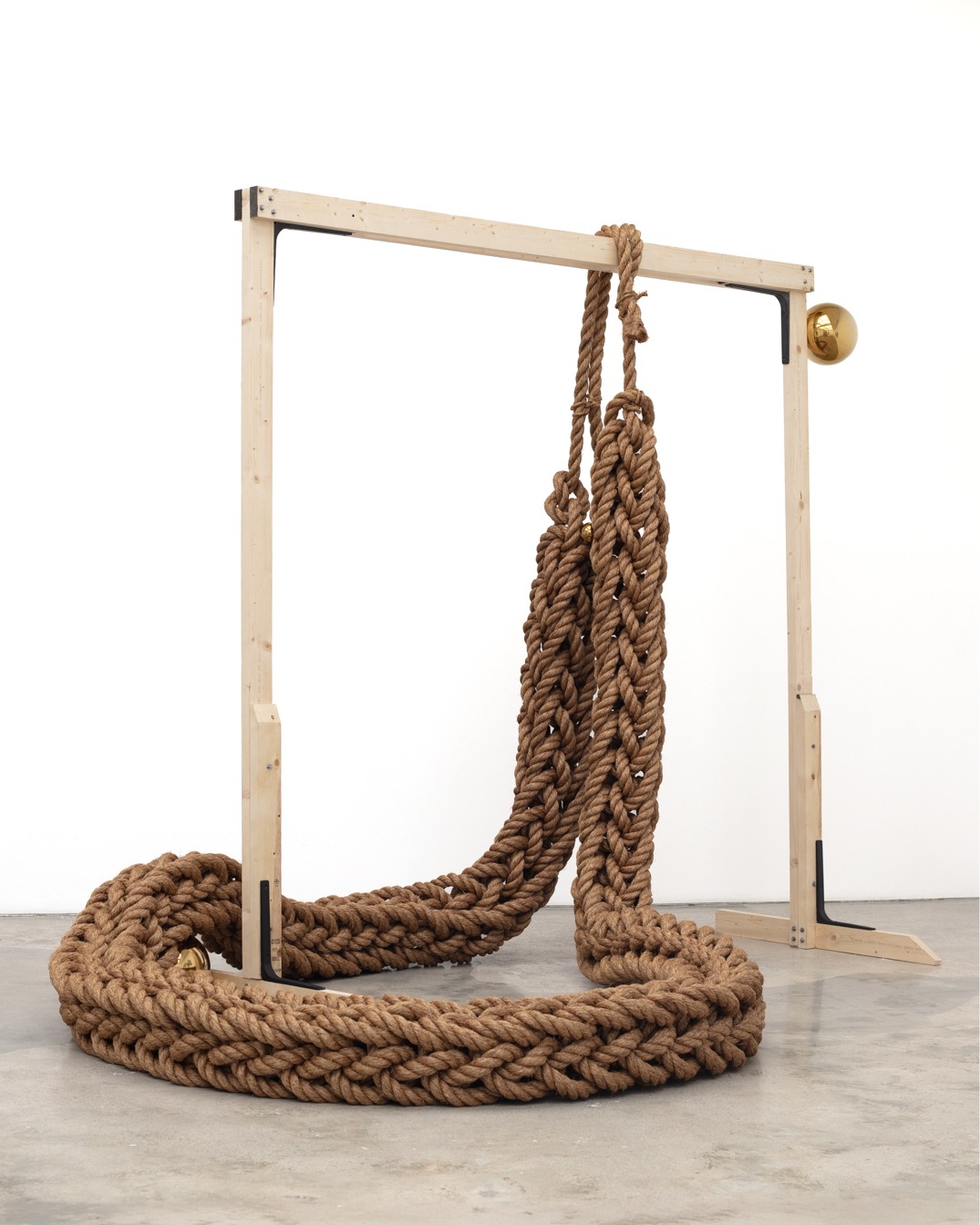
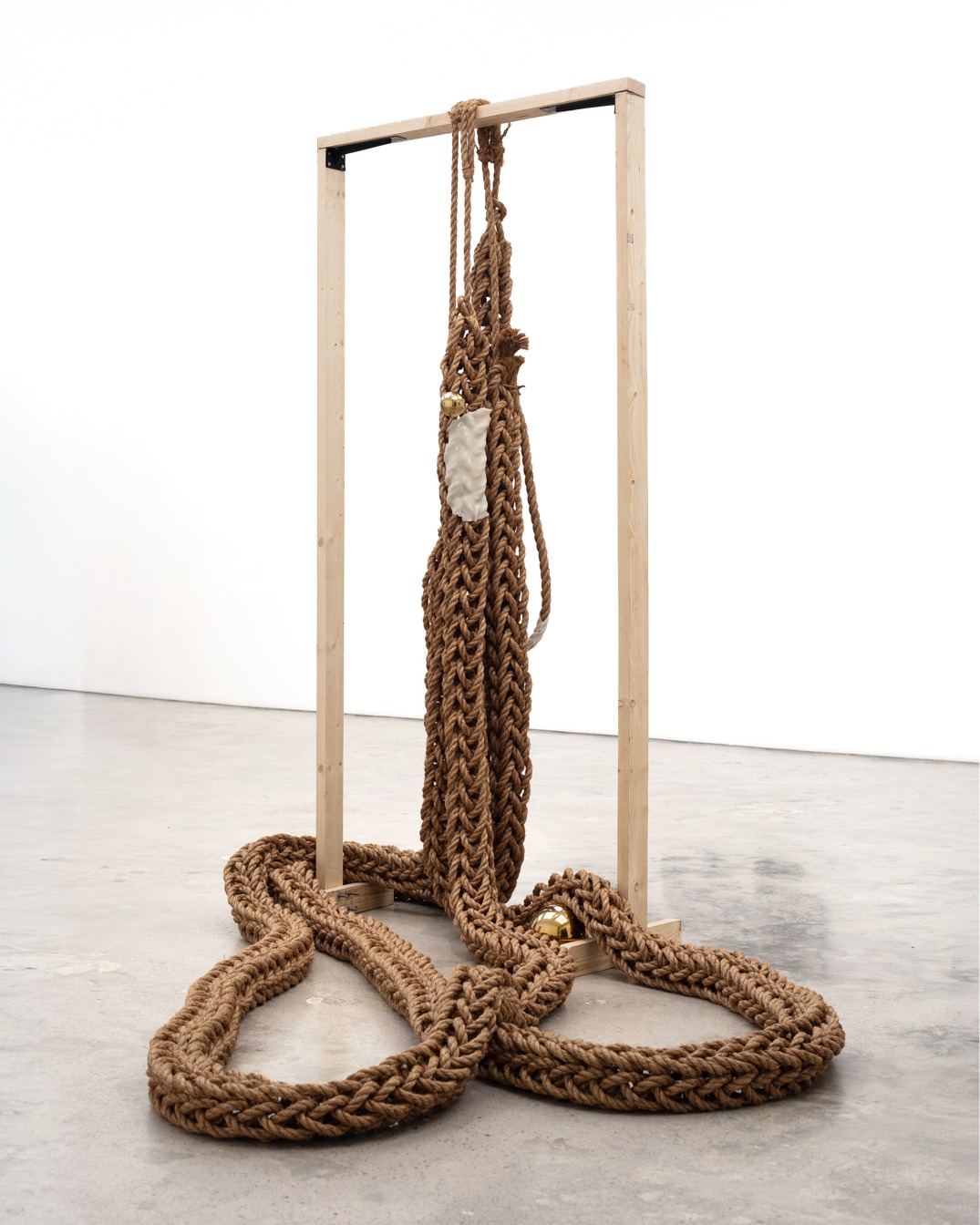
    For this show, Eustaquio broadens works from the Fountains series initiated in 2024. In these works, she constructs towering, hand-woven sculptures using varying widths of abacá, a hard, coarse plant fiber traditionally delegated for commercial use. Through complicated, labor-intensive weaving, Eustaquio transforms this raw, heavy rope fiber into forms that can be wrapped, hung, or strung, mimicking the elegance of moving water and turning something of industrial use into sculptural art.

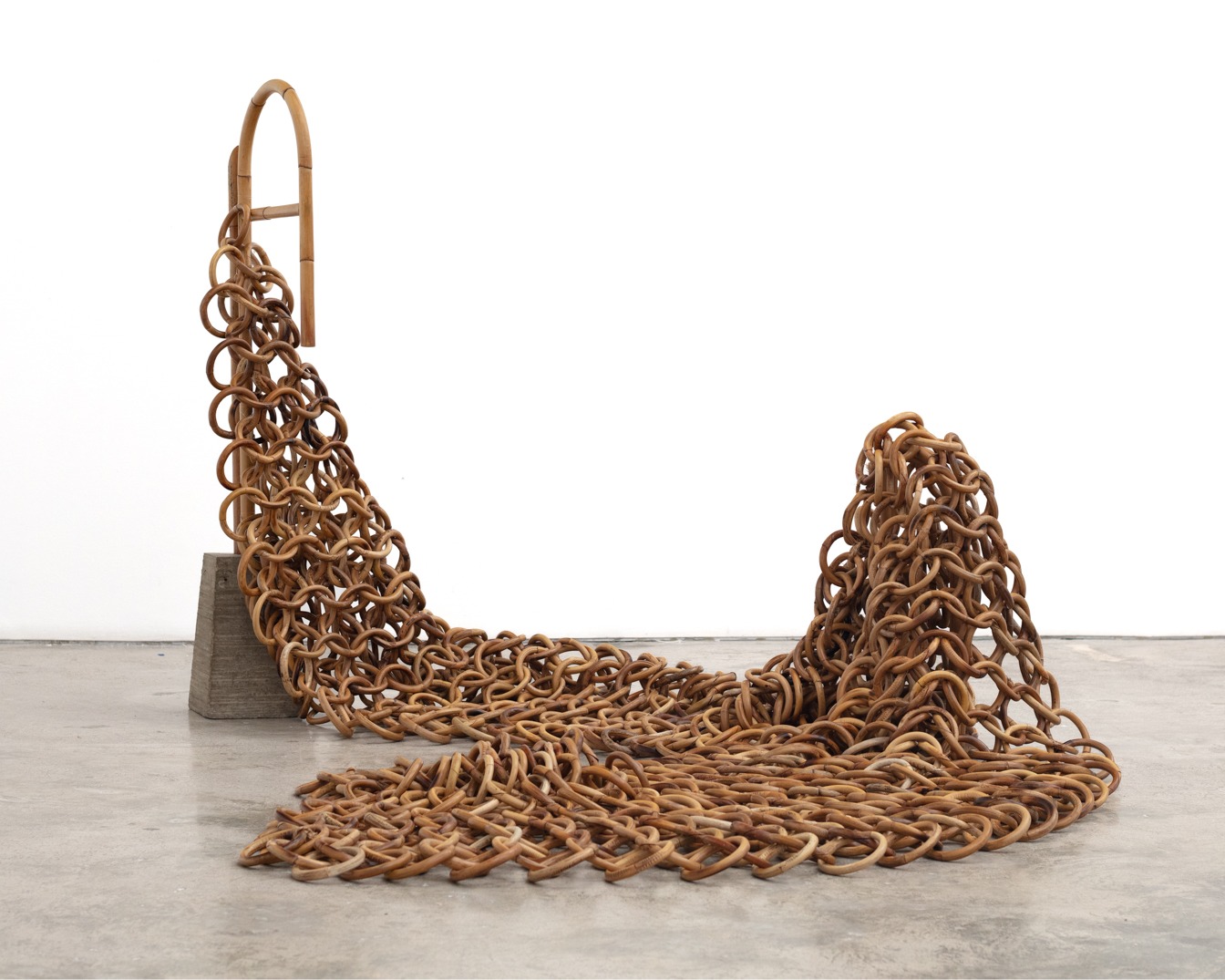
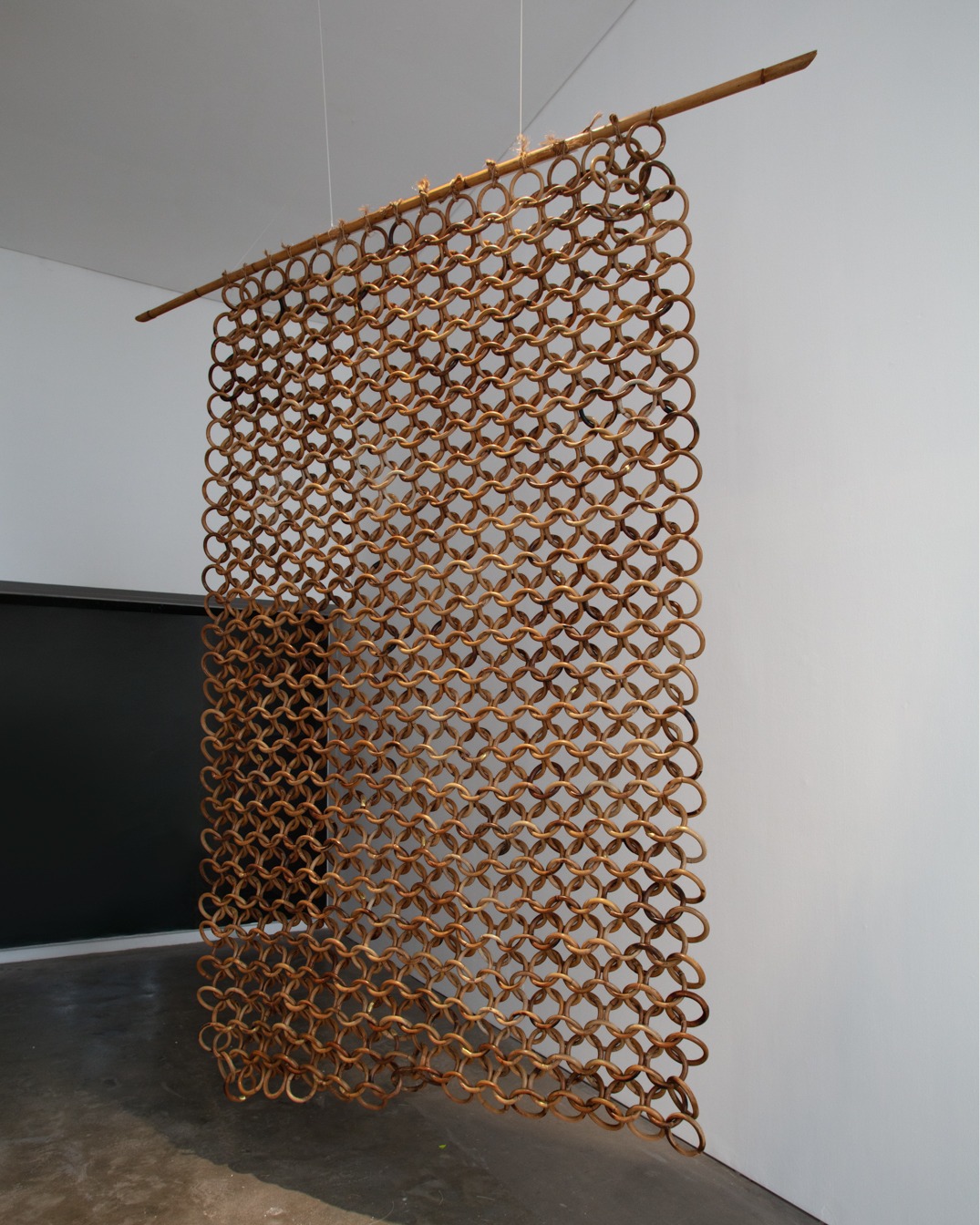
    Alongside the abacá sculptures, Eustaquio introduces a flexible, chainmail-like work crafted from large, interlocking, polished rattan rings. Originally derived from traditional defensive armor used for physical protection, chainmail is here transformed from rigid protective gear into something that can be draped and left unguarded. 

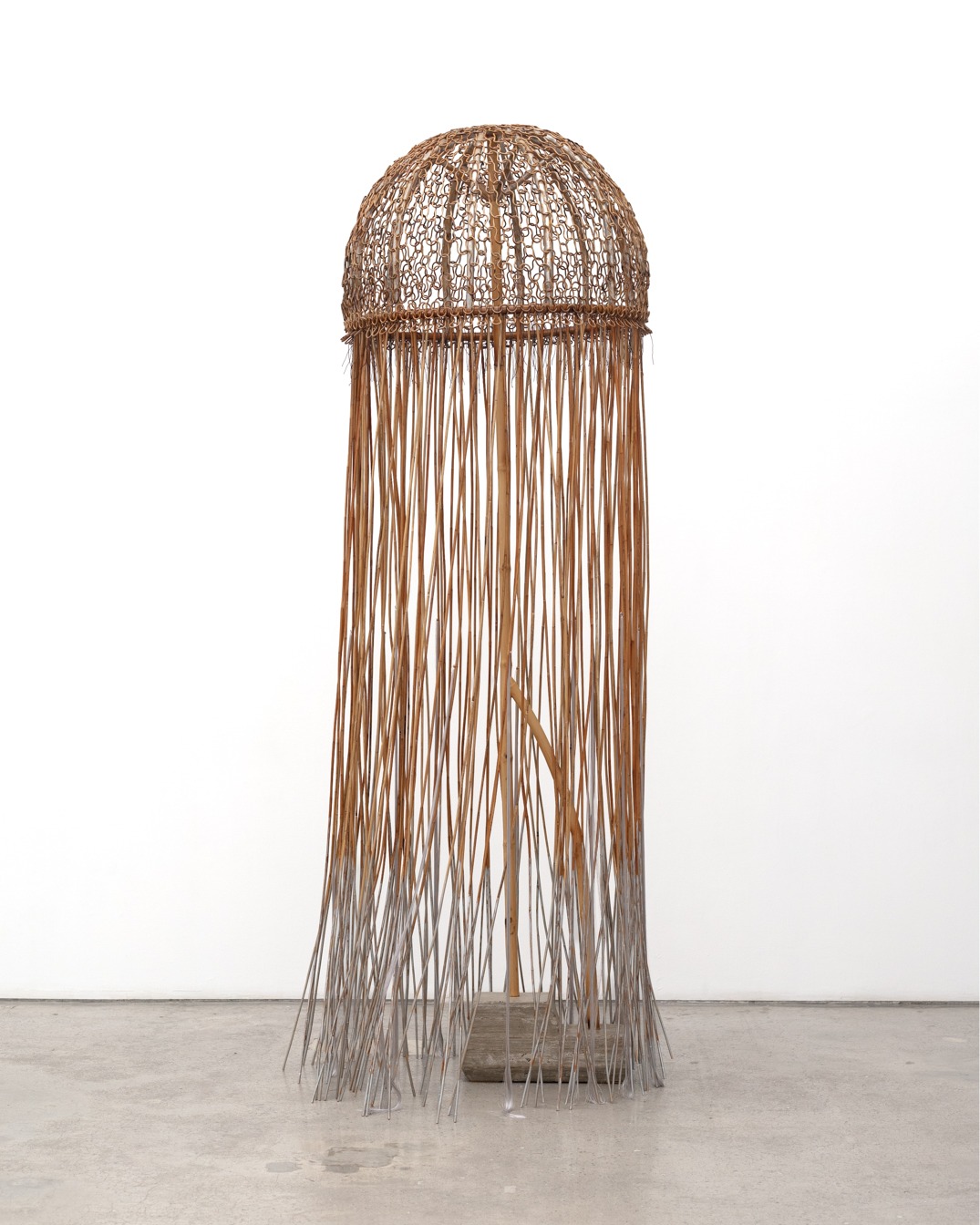
    Complementing these is another sculpture shaped like a parasol, but instead of a folding frame of ribs, the canopy is built through continuous wire looping, a technique in which a single, unbroken strand of wire is repeatedly bent into U-shaped loops that hook into the row above. When applied to curved dome shapes, this process yields a scalloped mesh structure that combines registers of defensive armor, lace, and craft simultaneously. It also harkens back to an earlier work by the artist, in which she shaped black cane, or solihiya, into a similar umbrella shape on a metal form.

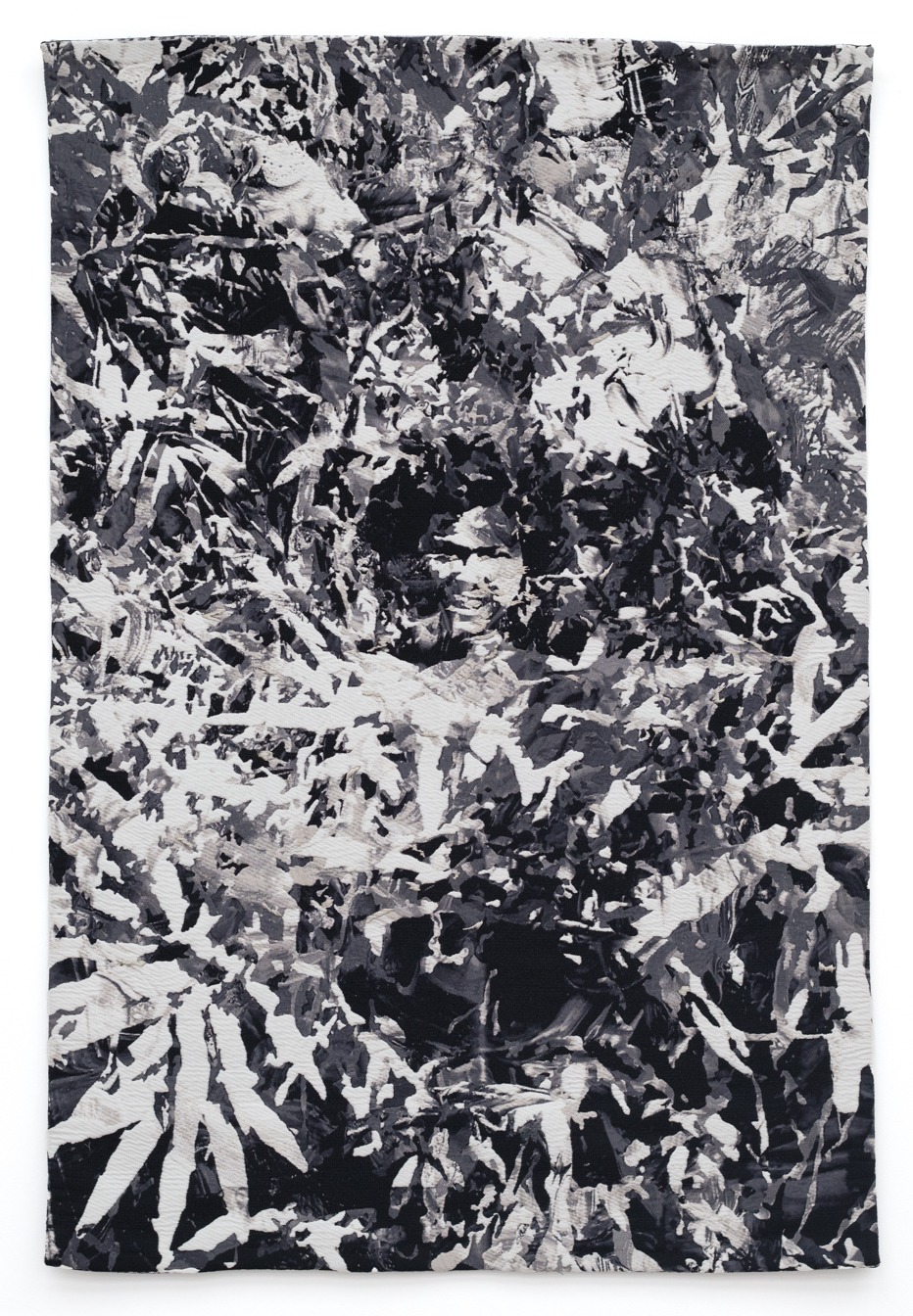
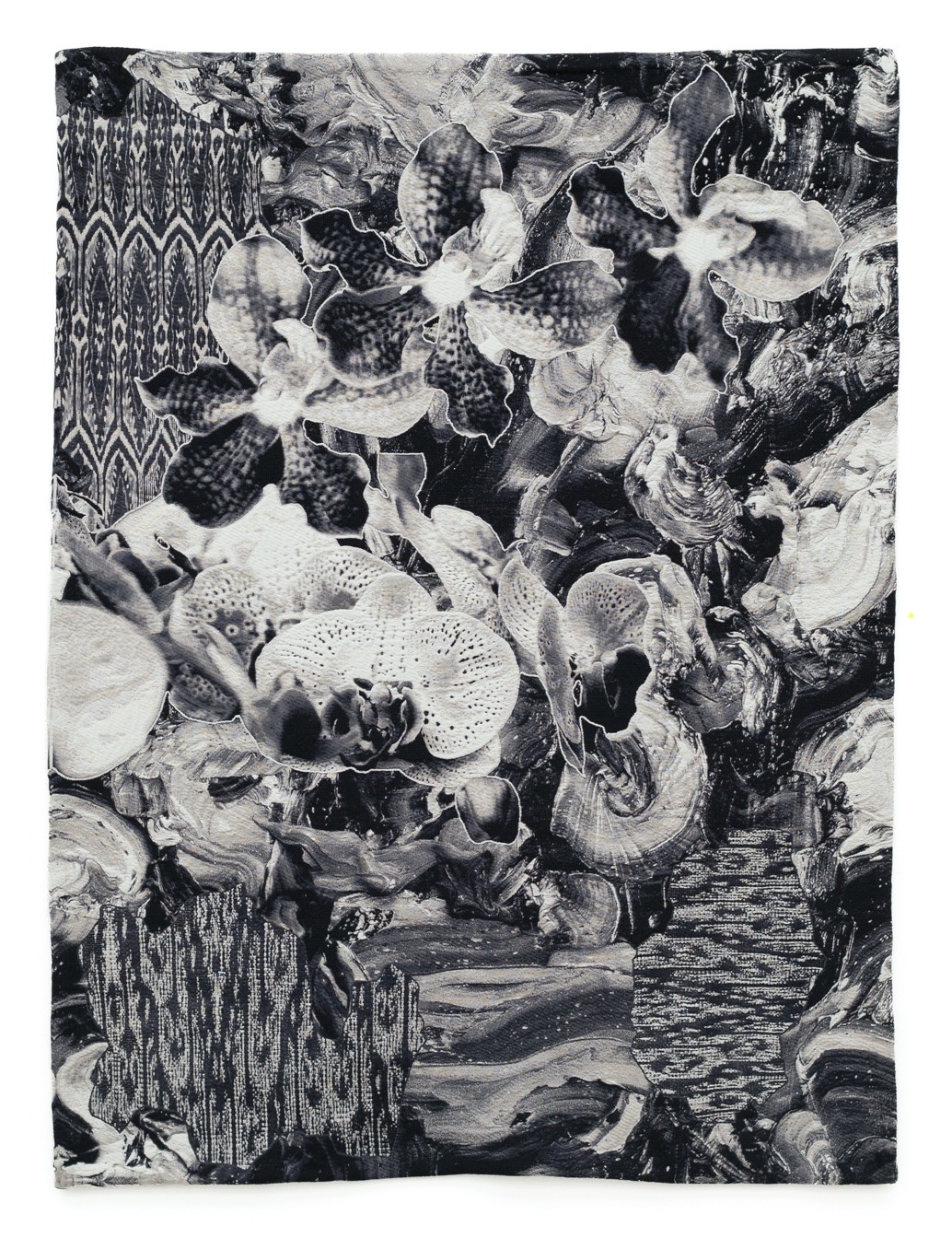
    Underpinning all of these creations is the idea that the process of making takes precedence over institutional status, creating asymmetrical binaries between fine art and craft, or modern art and ethnographic artifacts. Inherited art hierarchies are subverted when a thing is not confined to what is known about it, when it can be something else. In this case, the abacá does not hide the secret of its transformation. For isn't it true that records show that cultural objects preceded written language as primary repositories of human experience? Eustaquio treats textiles, fibers, and ornaments not as mere passive decorative surfaces, but as active co-generators carrying deep internal histories of skill, matter, and making.

    Words by Josephine V. Roque

    Patricia Perez Eustaquio (b. 1977, Cebu, Philippines; lives and works in Benguet Province, Philippines) is known for works that span different mediums and disciplines—from paintings, drawings, and sculptures, to the fields of fashion, décor, and craft. She reconciles these intermediary forms through her constant exploration of notions that surround the integrity of appearances and the vanity of objects. Images of detritus, carcasses, and decay are embedded into the handiwork of design, craft, and fashion, while merging the disparate qualities of the maligned and marginalized with the celebrated and desired. From her ornately shaped canvases to sculptures shrouded by fabric, their arrival as fragments, shadows, or memories, according to Eustaquio, underline their aspirations, their vanity, this ‘desire to be desired.’ Her wrought objects (ranging from furniture, textile, brass, and glasswork in manufactured environments) demonstrate these contrasting sensibilities and provide commentary on the mutability of perception, as well as on the constructs of desirability and how it influences life and culture.

    Eustaquio has gained recognition through several residencies abroad, including Art Omi in New York and Stichting Id11 of the Netherlands. She has also been part of numerous notable exhibitions, such as The Vexed Contemporary in the Museum of Contemporary Art and Design, Manila; That Mountain is Coming at the Palais de Tokyo in Paris, France; and An Atlas of Mirrors in the 2016 Singapore Biennale. She is a recipient of The Cultural Center of the Philippines’ Thirteen Artists Awards.

Working across unexpected mediums and disciplines, Patricia Perez Eustaquio has long examined materials with histories linked to memory and physical labor. 

The title is taken from a practice in the Philippines' prehistoric economy, when Sulu natural pearls were bartered for metalware and weapons. The literal phrase is an apt metaphor for trade and colonial history: what gets exchanged, who decides what is valuable, and what indigenous knowledge gets forgotten in the process. The title also operates as a sharp play on the common idiom, "pearls before swine." Where the traditional saying warns against wasting valuable things on those incapable of appreciating them, maybe Eustaquio's version asks us to think about another proposition: the act of surrendering something rare and organic, such as natural pearls, in exchange for an instrument of coercion. In this cultural exchange of objects, who gets the better deal?

For this show, Eustaquio broadens works from the Fountains series initiated in 2024. In these works, she constructs towering, hand-woven sculptures using varying widths of abacá, a hard, coarse plant fiber traditionally delegated for commercial use. Through complicated, labor-intensive weaving, Eustaquio transforms this raw, heavy rope fiber into forms that can be wrapped, hung, or strung, mimicking the elegance of moving water and turning something of industrial use into sculptural art.

Alongside the abacá sculptures, Eustaquio introduces a flexible, chainmail-like work crafted from large, interlocking, polished rattan rings. Originally derived from traditional defensive armor used for physical protection, chainmail is here transformed from rigid protective gear into something that can be draped and left unguarded. 

Complementing these is another sculpture shaped like a parasol, but instead of a folding frame of ribs, the canopy is built through continuous wire looping, a technique in which a single, unbroken strand of wire is repeatedly bent into U-shaped loops that hook into the row above. When applied to curved dome shapes, this process yields a scalloped mesh structure that combines registers of defensive armor, lace, and craft simultaneously. It also harkens back to an earlier work by the artist, in which she shaped black cane, or solihiya, into a similar umbrella shape on a metal form.

Underpinning all of these creations is the idea that the process of making takes precedence over institutional status, creating asymmetrical binaries between fine art and craft, or modern art and ethnographic artifacts. Inherited art hierarchies are subverted when a thing is not confined to what is known about it, when it can be something else. In this case, the abacá does not hide the secret of its transformation. For isn't it true that records show that cultural objects preceded written language as primary repositories of human experience? Eustaquio treats textiles, fibers, and ornaments not as mere passive decorative surfaces, but as active co-generators carrying deep internal histories of skill, matter, and making.

Words by Josephine V. Roque

Patricia Perez Eustaquio (b. 1977, Cebu, Philippines; lives and works in Benguet Province, Philippines) is known for works that span different mediums and disciplines—from paintings, drawings, and sculptures, to the fields of fashion, décor, and craft. She reconciles these intermediary forms through her constant exploration of notions that surround the integrity of appearances and the vanity of objects. Images of detritus, carcasses, and decay are embedded into the handiwork of design, craft, and fashion, while merging the disparate qualities of the maligned and marginalized with the celebrated and desired. From her ornately shaped canvases to sculptures shrouded by fabric, their arrival as fragments, shadows, or memories, according to Eustaquio, underline their aspirations, their vanity, this ‘desire to be desired.’ Her wrought objects (ranging from furniture, textile, brass, and glasswork in manufactured environments) demonstrate these contrasting sensibilities and provide commentary on the mutability of perception, as well as on the constructs of desirability and how it influences life and culture.

Eustaquio has gained recognition through several residencies abroad, including Art Omi in New York and Stichting Id11 of the Netherlands. She has also been part of numerous notable exhibitions, such as The Vexed Contemporary in the Museum of Contemporary Art and Design, Manila; That Mountain is Coming at the Palais de Tokyo in Paris, France; and An Atlas of Mirrors in the 2016 Singapore Biennale. She is a recipient of The Cultural Center of the Philippines’ Thirteen Artists Awards.

Works
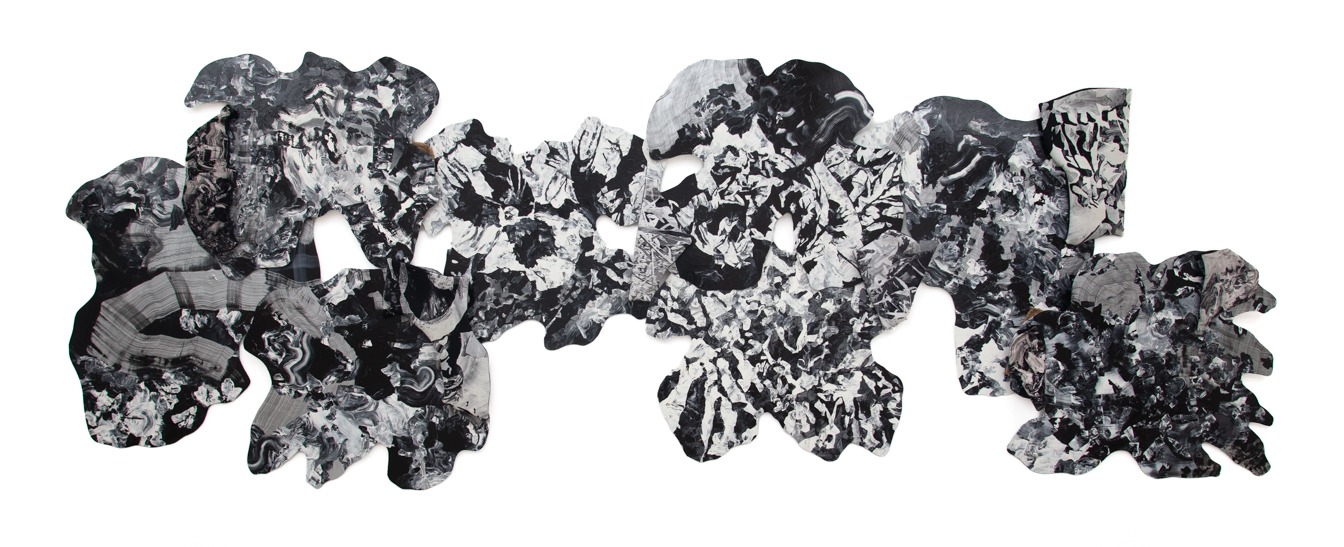
Patricia Perez Eustaquio
Land!
2026
18369
2
acrylic on aluminum woven tapestry, jute sack
80h x 219w x 5.25d in • 203.2h x 556.3w x 13.3d cm
-1
0.00
PHP
0
Details
Patricia Perez Eustaquio
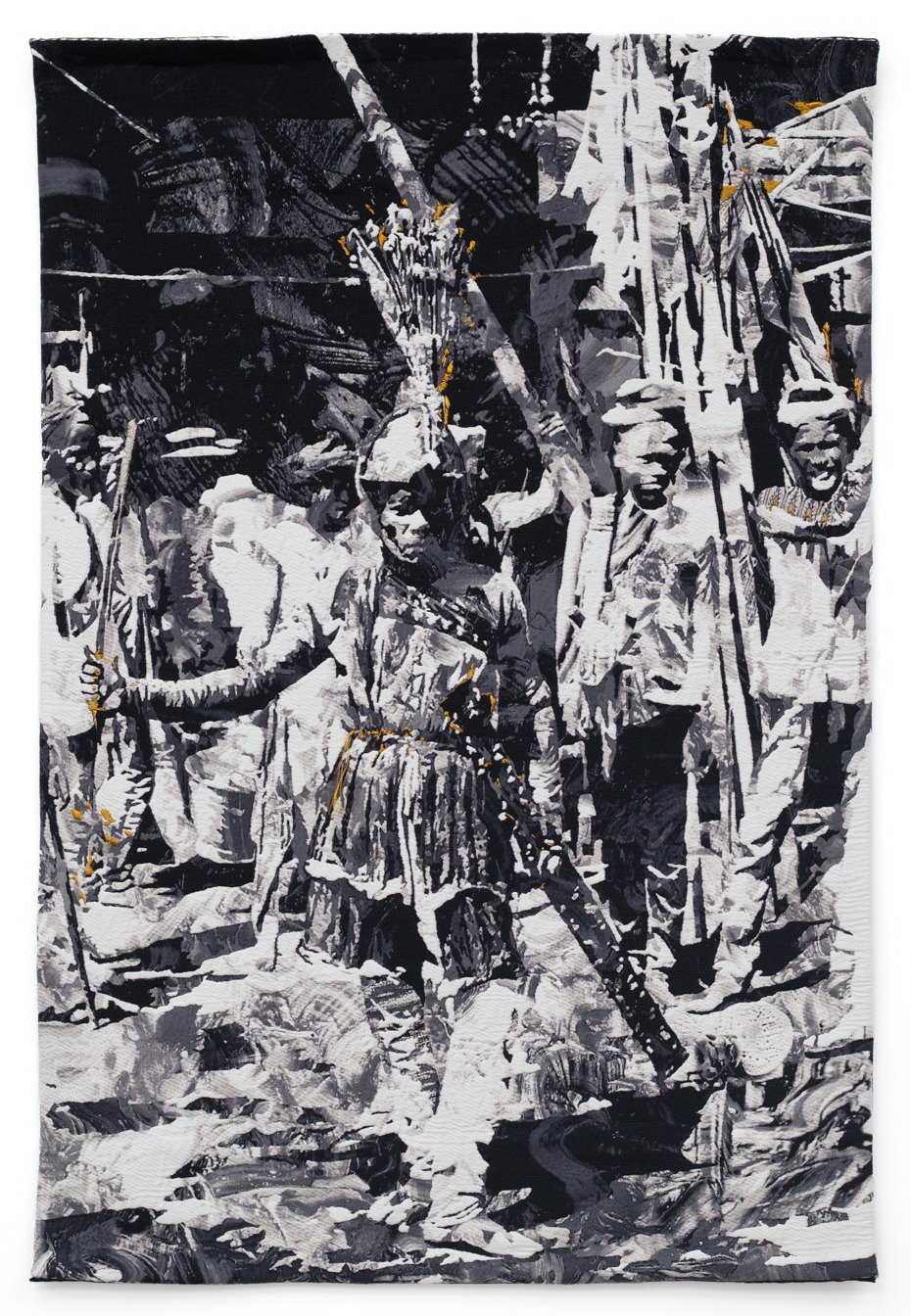
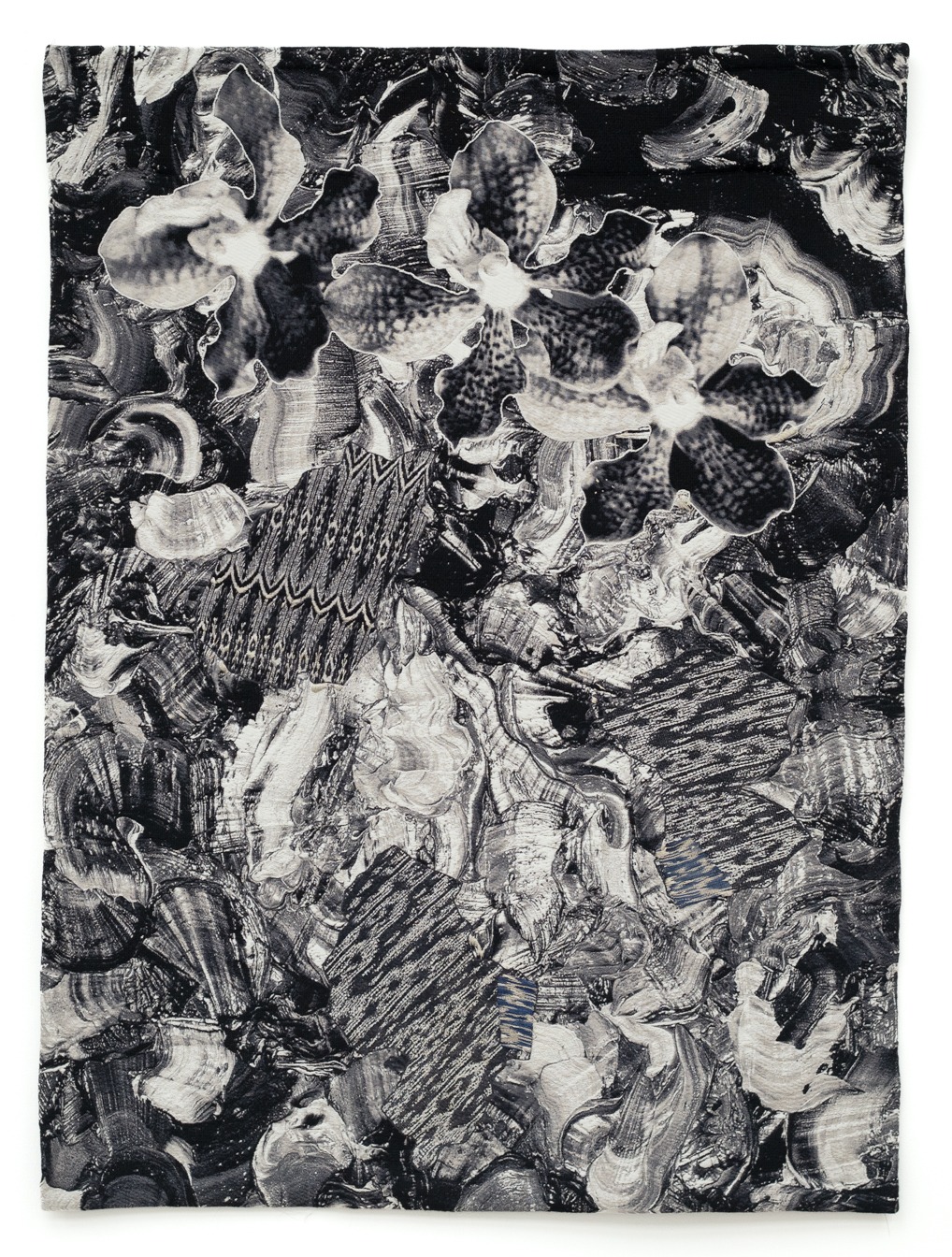
Zamboanga (Moro's dance)
2026
18365
2
digitally woven tapestry in cotton, wool, and gold embroidery
73.63h x 49.63w in 187h x 126w cm
-1
0.00
PHP
0
Unique embroidered edition
Details
Patricia Perez Eustaquio
Soft Industry (Fountain series)
2026
18361
2
abaca (manila hemp), stainless steel garden ball
98h x 140w x 91d in • 248.9h x 355.6w x 231.1d cm
-1
0.00
PHP
0
Details
Patricia Perez Eustaquio
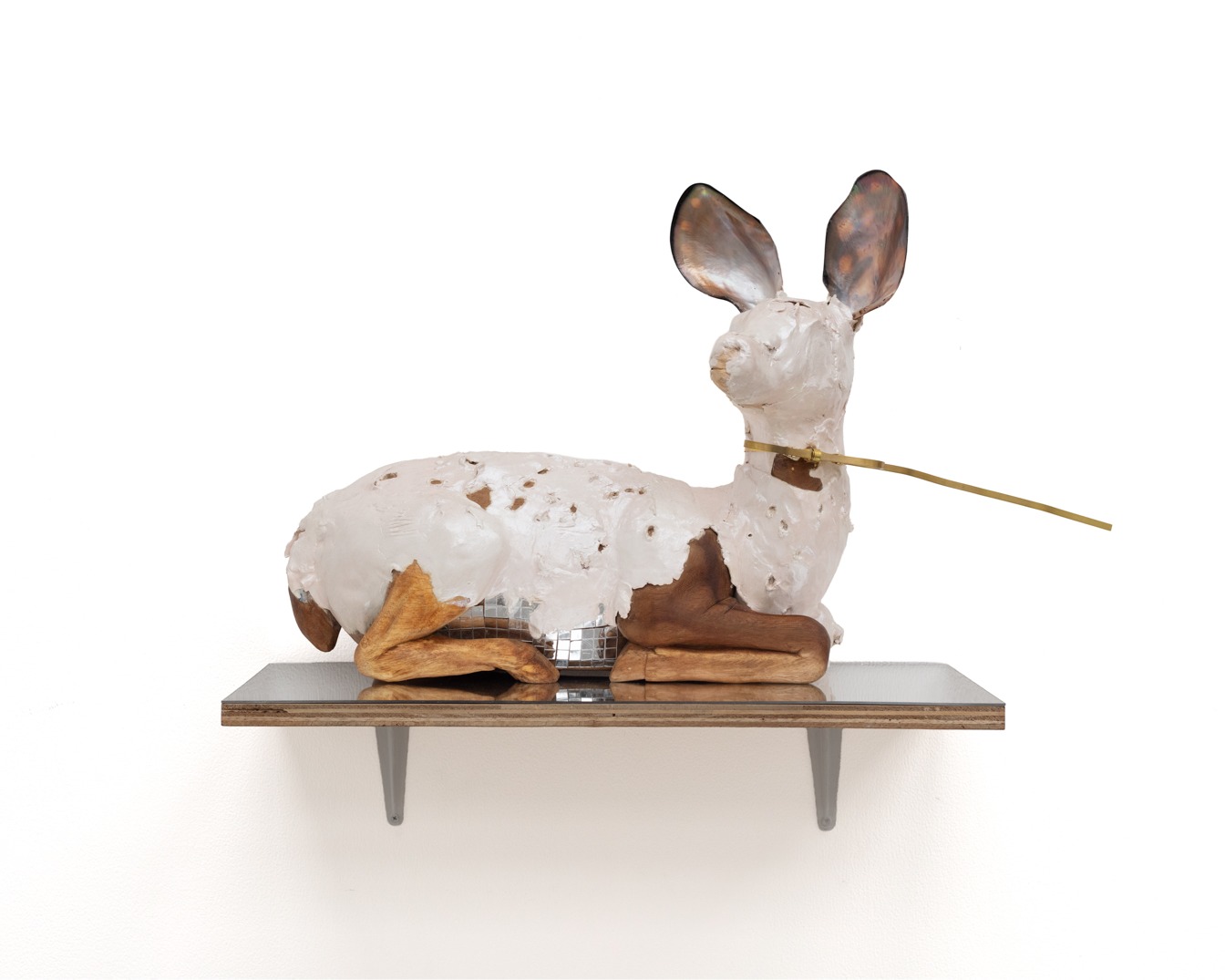
Pearl of Laguna de Bay
2026
18371
2
wood, epoxy and air-dry clay, acrylic, shells, and brass strip
16.50h x 28.75w x 8.63d in • 42h x 73w x 22d cm
-1
0.00
PHP
0
Details
Patricia Perez Eustaquio
Juramentados i
2026
18363
2
rattan chainmail long
49h x 83w x 58d in • 124.5h x 210.8w x 147.3d cm
-1
0.00
PHP
0
Details
Patricia Perez Eustaquio
Mindoro (negrita midden het bosch)
2026
18366
2
digitally woven tapestry in cotton, wool, and silver embroidery
73.25h x 49.25w in • 186h x 125w cm
-1
0.00
PHP
0
Details
Patricia Perez Eustaquio
Juramentados ii
2026
18364
2
flame-bent rattan, polymer clay, gold ink
108h x 65w x 3d in • 274.3h x 165.1w x 7.6d cm
-1
0.00
PHP
0
Details
Patricia Perez Eustaquio
Entourage
2026
18370
2
woven, flame-bent rattan umbrella, silver tassels
102h x 34w x 34d in • 259.1h x 86.4w x 86.4d cm
-1
0.00
PHP
0
Details
Patricia Perez Eustaquio
Leis and Auspices
2026
18367
2
digitally woven tapestry in cotton and wool
72.5h x 53.13w in • 184h x 135w cm
-1
0.00
PHP
0
Details
Patricia Perez Eustaquio
Double Strand (fountain series)
2026
18362
2
abaca (manila hemp), stainless steel garden ball
99h x 112w x 85d in • 251.5h x 284.5w x 215.9d cm
-1
0.00
PHP
0
Details
Patricia Perez Eustaquio
Clouds and Alligators
2026
18368
2
digitally woven tapestry in cotton and wool, silver embroidery, and tinalak
71.63h x 52.75w in • 182h x 134w cm
-1
0.00
PHP
0
Details
Patricia Perez Eustaquio
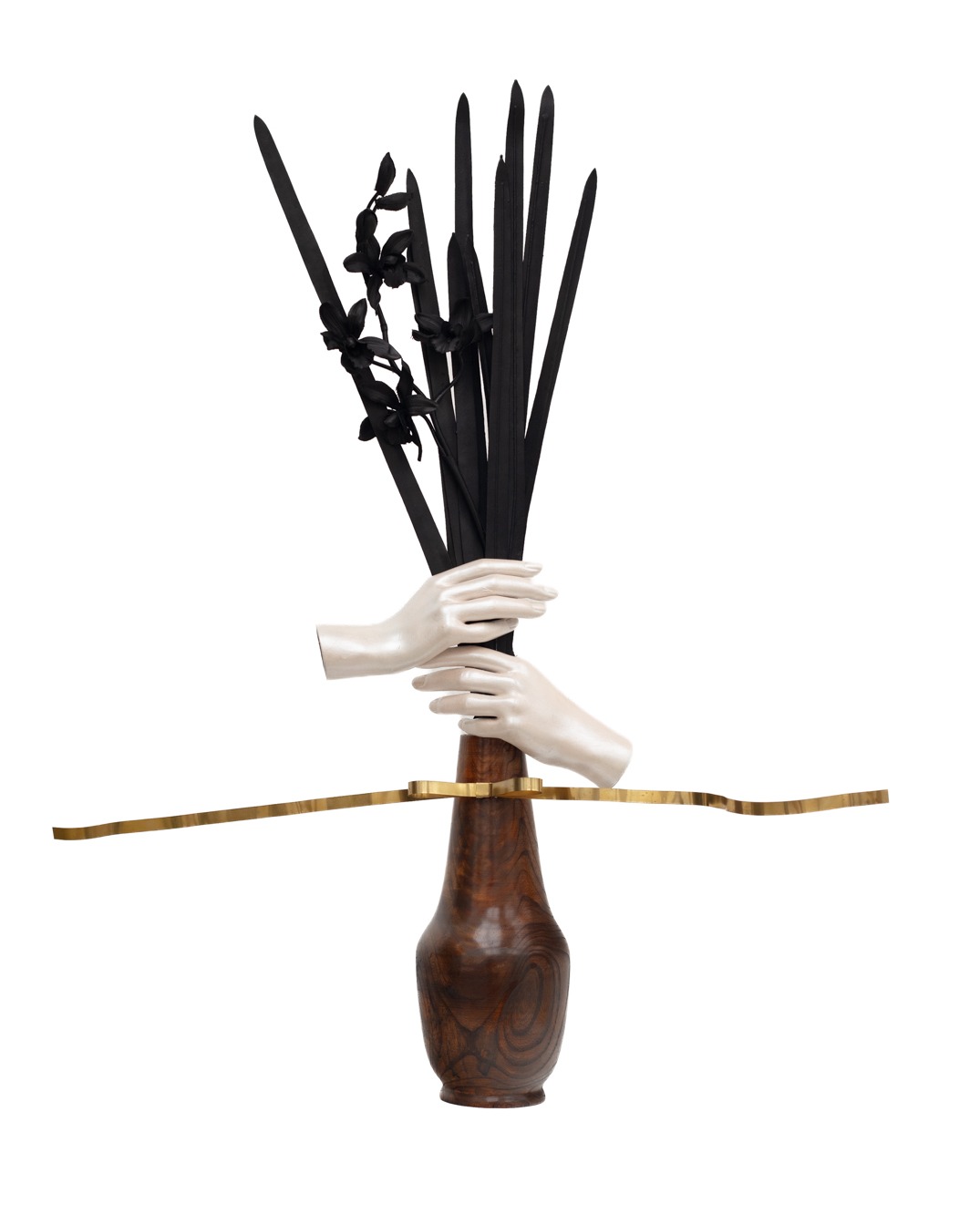
Good Day
2026
18372
2
various found objects, vase, display hands, flowers, and brass strip
31.13h x 21.63w x 7.88d in • 79h x 55w x 20d cm
-1
0.00
PHP
0
Details
Patricia Perez Eustaquio
Incredibly, Yes, Baobabs
2026
18373
2
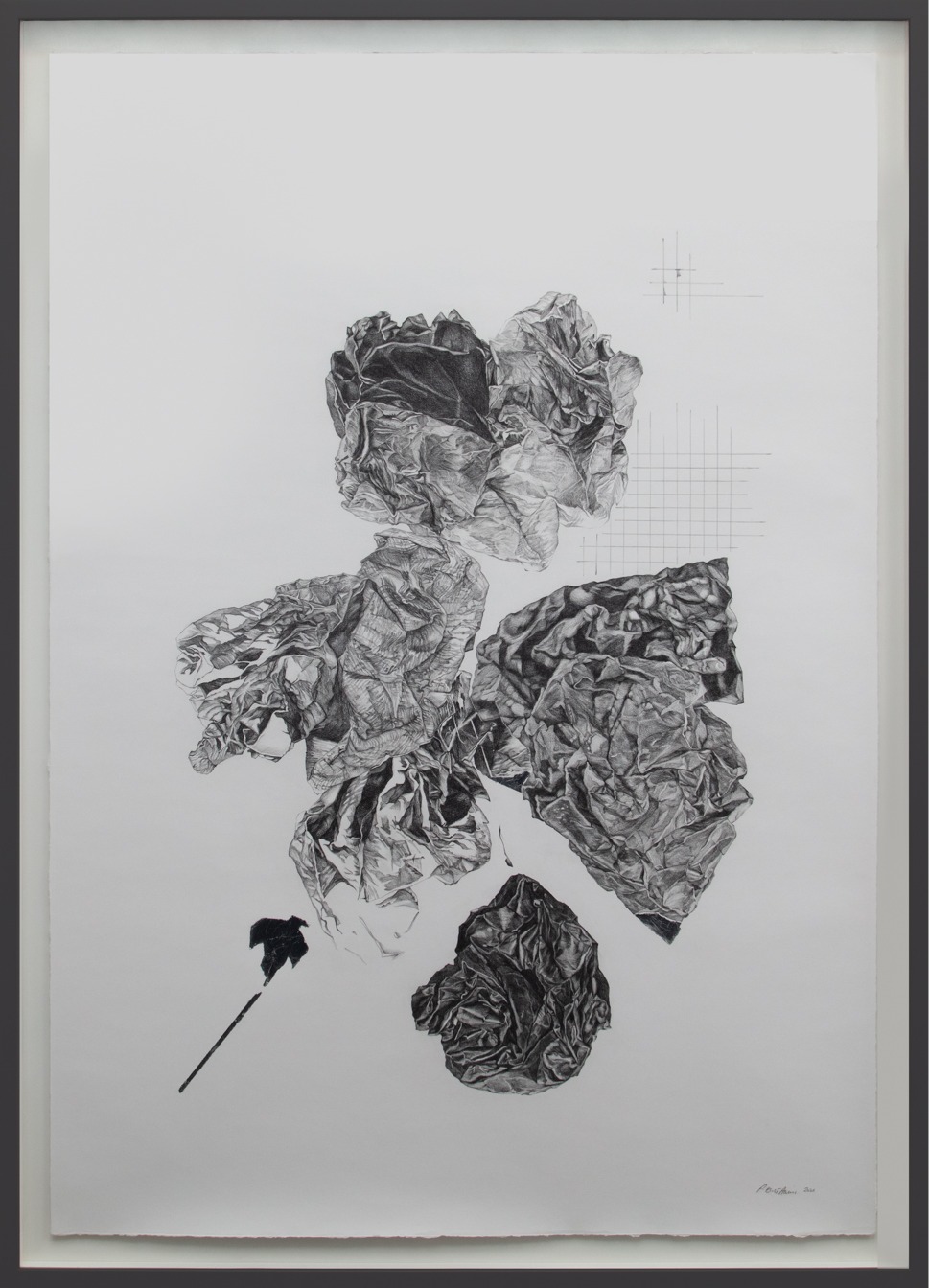
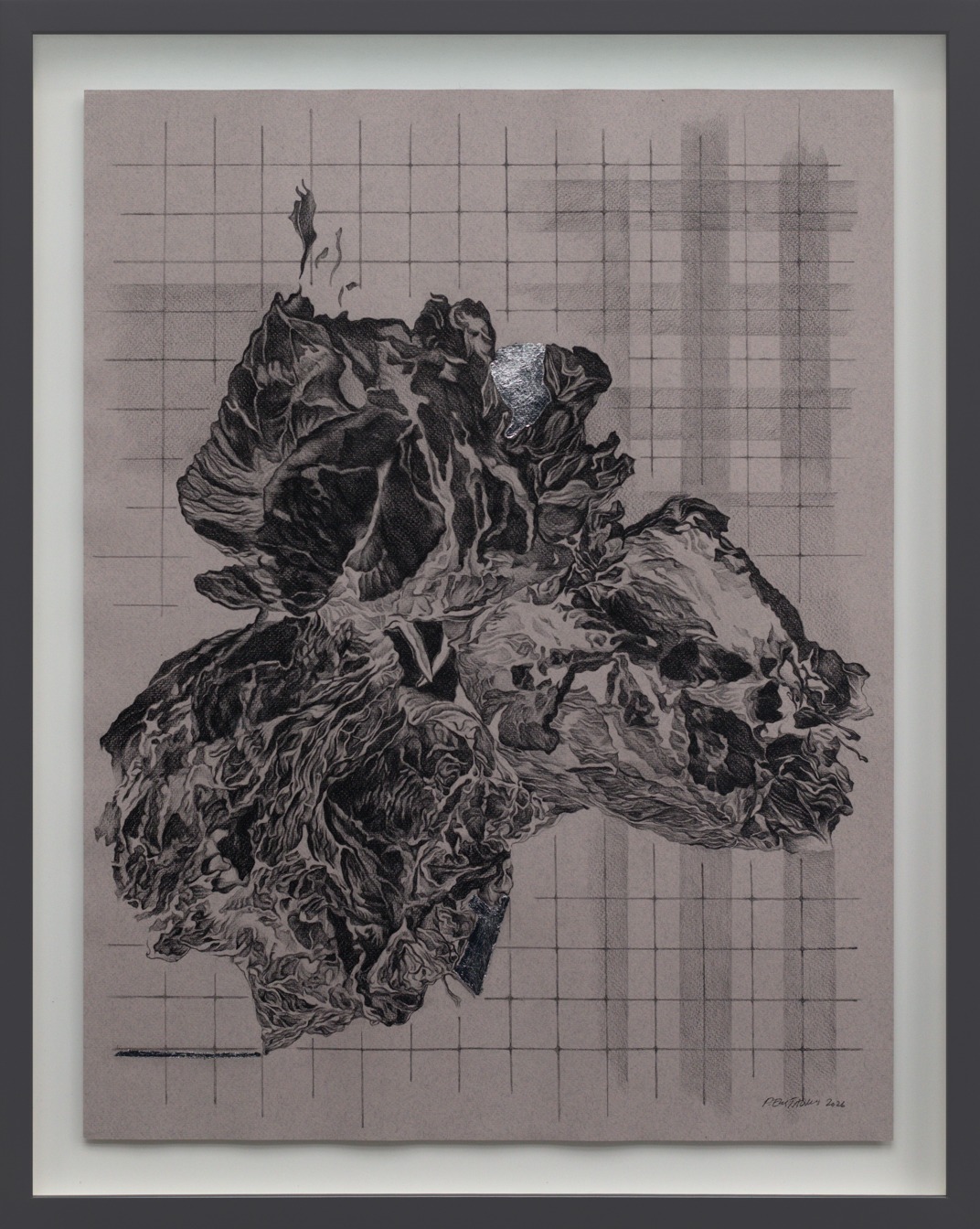
graphite on strathmore bristol paper, silver leaf
50.38h x 37.75w x 1.13d in • 128h x 96w x 3d cm
-1
0.00
PHP
0
Details
Patricia Perez Eustaquio
Rock, Paper, Scissors
2026
18374
2
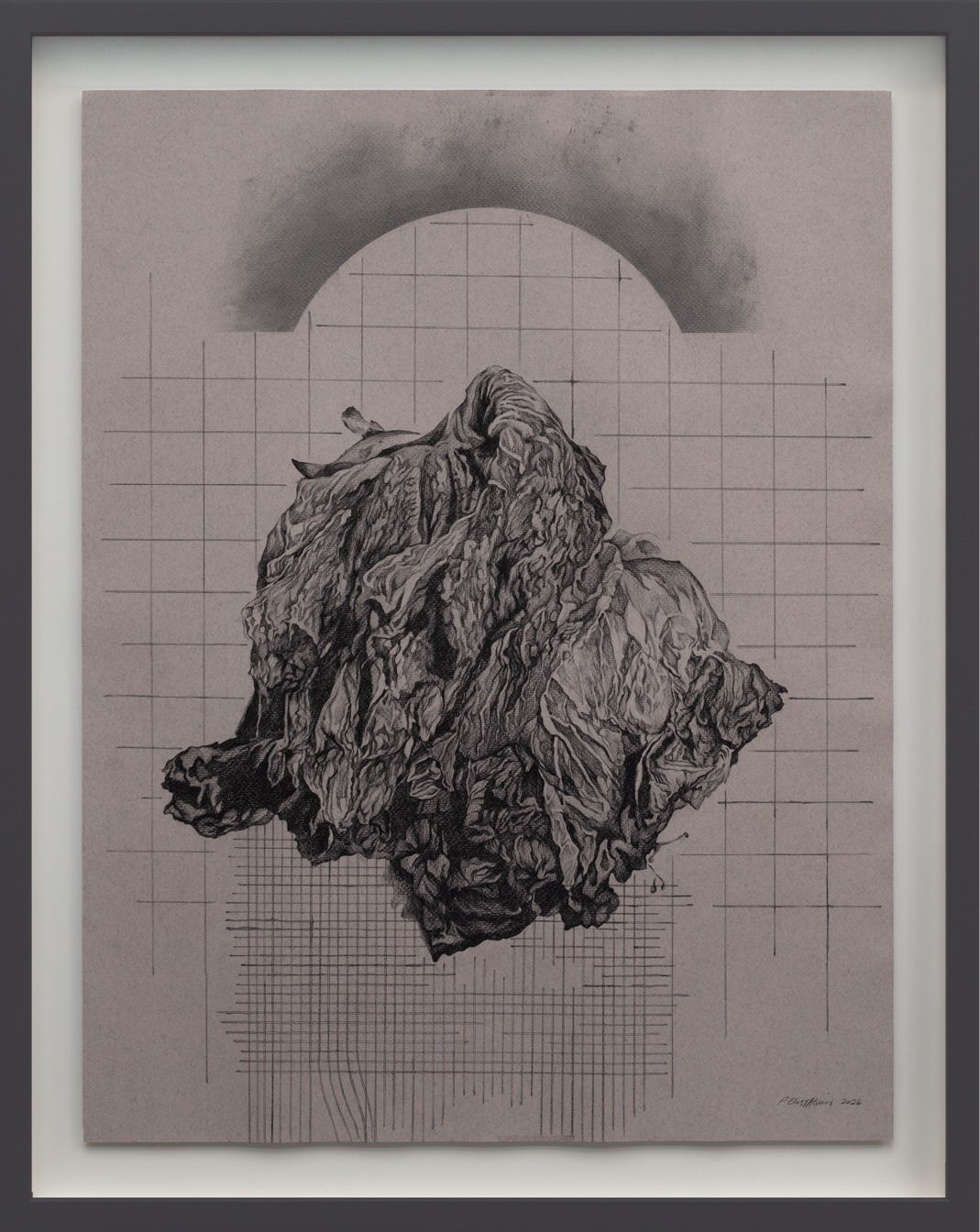
graphite on strathmore bristol paper, silver leaf
52h x 37.63 x 1.23 in • 132h x 95.5w x 3d cm
-1
0.00
PHP
0
Details
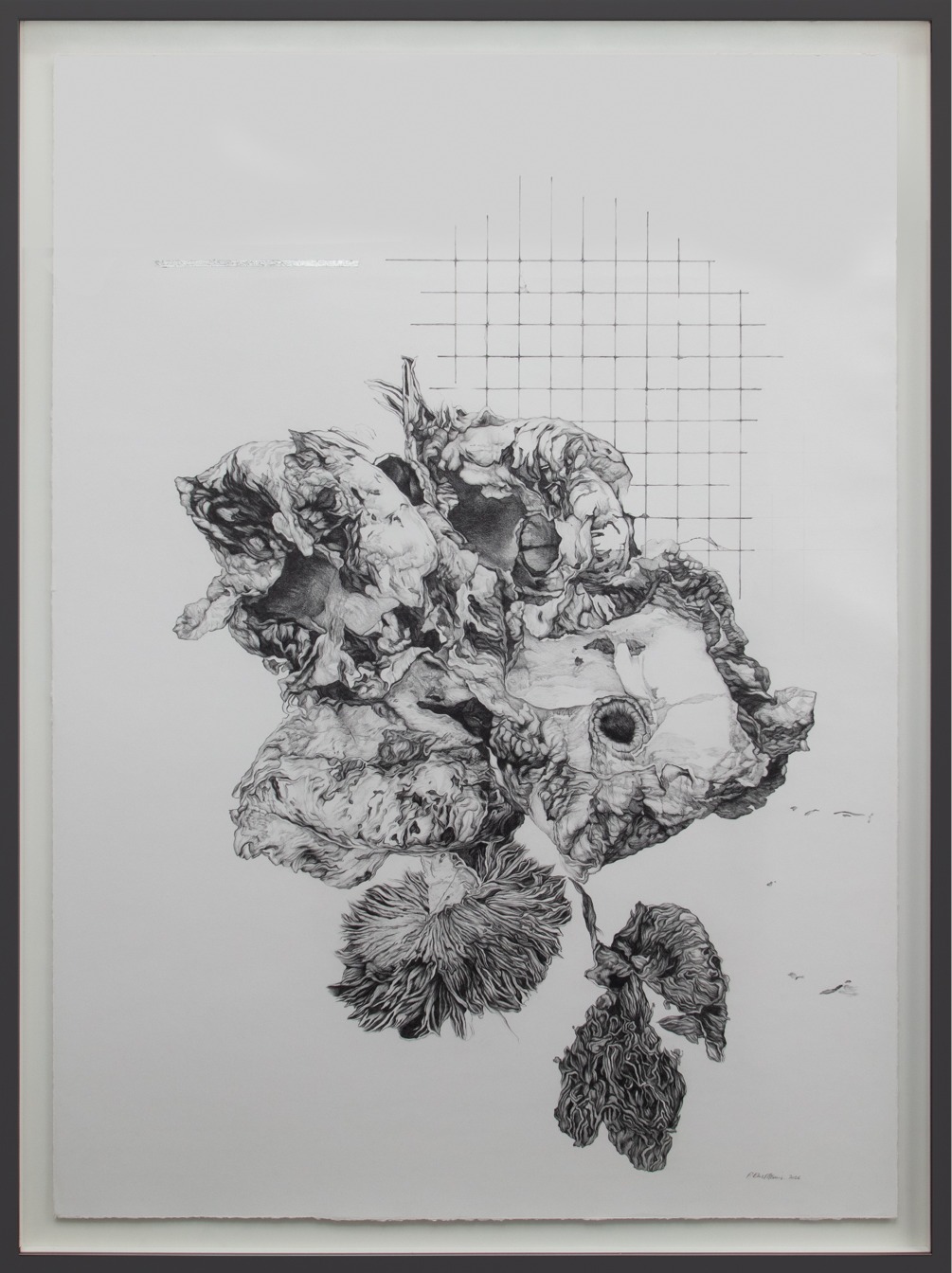
Patricia Perez Eustaquio
Flowers for X drawing iii
2026
18377
2
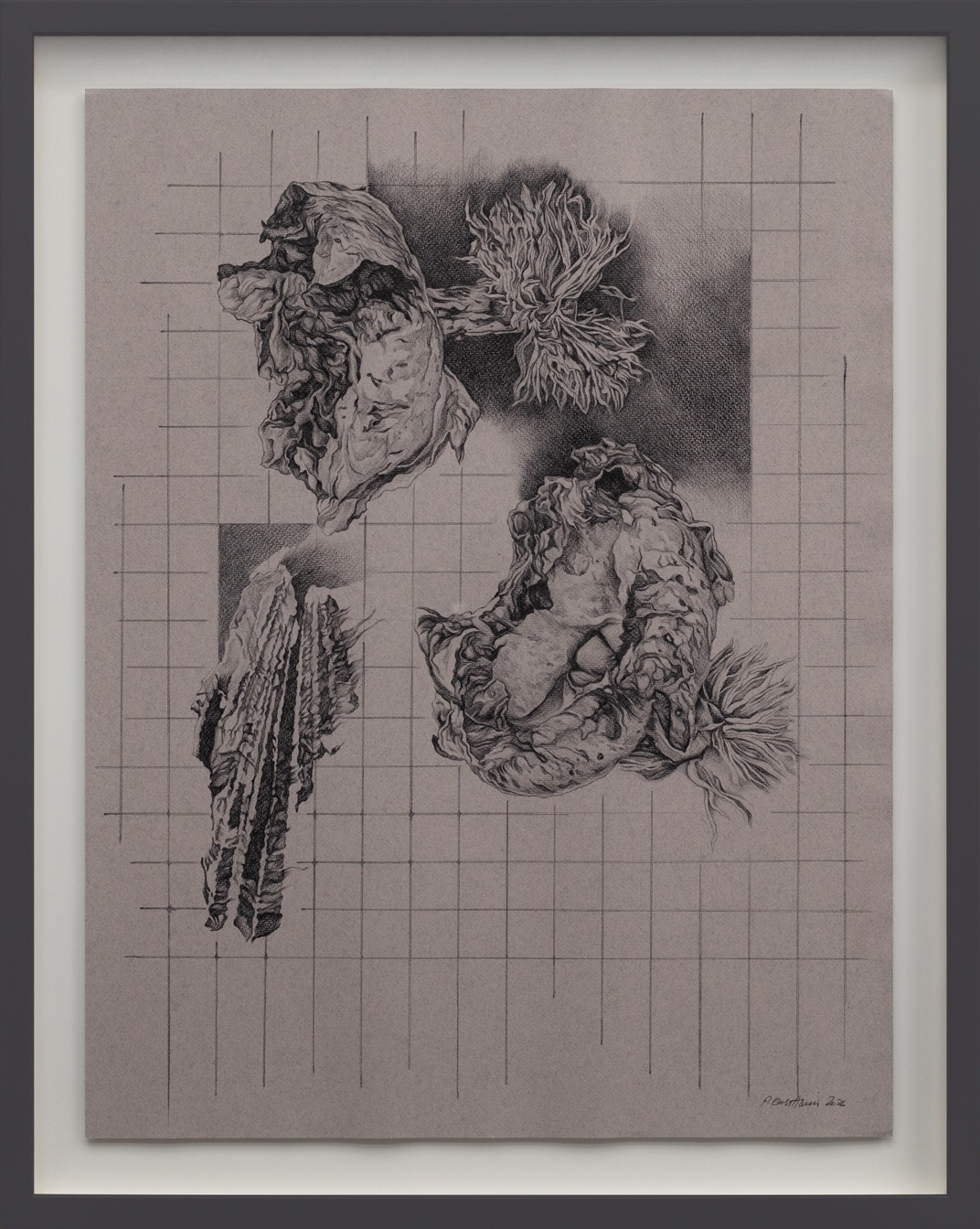
graphite on fabriano acid free paper
29.88h x 23.88w x 1.13d in • 76h x 60.5w x 3d cm
-1
0.00
PHP
0
Details
Patricia Perez Eustaquio
Flowers for X drawing ii
2026
18376
2
graphite on fabriano acid free paper
29.88h x 23.88w x 1.13d in • 76h x 60.5w x 3d cm
-1
0.00
PHP
0
Details
Patricia Perez Eustaquio
Flowers for X drawing i
2026
18375
2
graphite on fabriano acid-free paper
29.88h x 23.88w x 1.13d in • 76h x 60.5w x 3d cm
-1
0.00
PHP
0
Details
PHA+PHN0cm9uZz5TSUxWRVJMRU5TPC9zdHJvbmc+IGlzIGNvbW1pdHRlZCB0byBwcm90ZWN0aW5nIHlvdXIgcHJpdmFjeS4gSW4gY29tcGxpYW5jZSB3aXRoIHRoZSBQaGlsaXBwaW5lIFJlcHVibGljIEFjdCwgTm8uIDEwMTczIGJldHRlciBrbm93biBhcyB0aGUgMjAxMiBEYXRhIFByaXZhY3kgQWN0LCB3ZSBjYW4gb25seSB1c2UgdGhlIGluZm9ybWF0aW9uIHRoYXQgd2Ugb2J0YWluIGFib3V0IHlvdSBsYXdmdWxseS4gV2UgbWF5IGNvbGxlY3QgcGVyc29uYWwgaW5mb3JtYXRpb24gYWJvdXQgeW91IHdoZW4geW91IHNpZ24gdXAgZm9yIG91ciBuZXdzbGV0dGVyIG9yIGNvbnRhY3QgdXMgd2l0aCBhbiBpbnF1aXJ5LjwvcD4KPHA+VGhlIHR5cGUgb2YgaW5mb3JtYXRpb24gd2UgbWF5IGNvbGxlY3QgaW5jbHVkZXMgeW91ciA8c3Ryb25nPk5hbWU8L3N0cm9uZz4sIDxzdHJvbmc+RW1haWw8L3N0cm9uZz4sIGFuZCA8c3Ryb25nPkNvbnRhY3QgTnVtYmVyPC9zdHJvbmc+LjwvcD4KPHA+V2UgbWF5IGNvbGxlY3QgcGF5bWVudCBpbmZvcm1hdGlvbiBmcm9tIHlvdSB0byBmdWxmaWxsIHRyYW5zYWN0aW9ucy4gVG8gcHJvY2VzcyBwYXltZW50cywgd2UgbWF5IGNvbGxlY3QgeW91ciBjcmVkaXQgY2FyZCBhbmQgYmFuayBhY2NvdW50IGRldGFpbHMuIFRoaXMgaW5mb3JtYXRpb24gbWF5IGJlIHNoYXJlZCB3aXRoIHRoaXJkIHBhcnR5IHBheW1lbnQgcHJvY2Vzc2luZyBzZXJ2aWNlcy48L3A+CjxwPlRvIGRlbGl2ZXIgeW91ciBwdXJjaGFzZSwgd2UgbWF5IHByb3ZpZGUgeW91ciBwZXJzb25hbCBpbmZvcm1hdGlvbiB0byB0aGlyZC1wYXJ0eSBsb2dpc3RpY3MgY29tcGFuaWVzIHdobyBhc3Npc3QgdXMgd2l0aCBvdXIgZGVsaXZlcmllcyBhbmQgc2hpcG1lbnRzLjwvcD4KPHA+VGhlIHBlcnNvbmFsIGluZm9ybWF0aW9uIHdoaWNoIHdlIGhvbGQgd2lsbCBiZSBoZWxkIHNlY3VyZWx5IGluIGFjY29yZGFuY2Ugd2l0aCBvdXIgaW50ZXJuYWwgc2VjdXJpdHkgcG9saWN5LiBXZSB3aWxsIG5ldmVyIGNvbGxlY3QgaW5mb3JtYXRpb24gYWJvdXQgeW91IHdpdGhvdXQgeW91ciBleHBsaWNpdCBjb25zZW50LjwvcD4KPHA+VGhlIGluZm9ybWF0aW9uIHdlIHN0b3JlIHdpbGwgYmUgYWNjdXJhdGUgYW5kIHVwIHRvIGRhdGUuIFlvdSBjYW4gY2hlY2sgdGhlIGluZm9ybWF0aW9uIHRoYXQgd2UgaG9sZCBhYm91dCB5b3UgYnkgZW1haWxpbmcgdXMuIElmIHlvdSBmaW5kIHRoYXQgdGhlcmUgYXJlIGFueSBpbmFjY3VyYWNpZXMsIHdlIHdpbGwgZGVsZXRlIG9yIGNvcnJlY3QgaXQgcHJvbXB0bHkuPC9wPgo8cD5XZSBtYXkgdXNlIHRlY2hub2xvZ3kgdG8gdHJhY2sgdGhlIHBhdHRlcm5zIG9mIGJlaGF2aW9yIG9mIHZpc2l0b3JzIHRvIG91ciB3ZWJzaXRlLiBUaGlzIG1heSBpbmNsdWRlIHVzaW5nIGEgImNvb2tpZSIgc3RvcmVkIG9uIHlvdXIgYnJvd3NlciB3aGljaCB5b3UgY2FuIHVzdWFsbHkgbW9kaWZ5IHRocm91Z2ggeW91ciBicm93c2VyIHRvIHByZXZlbnQgdGhpcyBmcm9tIGhhcHBlbmluZy48L3A+CjxwPldlIHdpbGwgcmV0YWluIHlvdXIgcGVyc29uYWwgaW5mb3JtYXRpb24gb25seSB3aGlsZSB3ZSBuZWVkIGl0IGZvciB0aGUgcmVhc29ucyBzdGF0ZWQgYWJvdmUgb3IgdW50aWwgeW91IHJlcXVlc3QgdGhhdCB3ZSBkZWxldGUgaXQgb24gb3VyIHJlY29yZHMuPC9wPgo8cD5JZiB5b3UgaGF2ZSBhbnkgcXVlc3Rpb25zIG9yIGNvbW1lbnRzIGFib3V0IG91ciBwcml2YWN5LCBwbGVhc2UgY29udGFjdCB1cyBhdCA8YSBocmVmPSJtYWlsdG86aW5xdWlyeUBzaWx2ZXJsZW5zZ2FsbGVyaWVzLmNvbSI+aW5xdWlyeUBzaWx2ZXJsZW5zZ2FsbGVyaWVzLmNvbTwvYT48L3A+
R2FpbiBhY2Nlc3MgdG8gZXhjbHVzaXZlIGdhbGxlcnkgaW5mb3JtYXRpb24sIGxhdGVzdCBleGhpYml0aW9ucywgPGJyIC8+CmFuZCBhcnRpc3QgdXBkYXRlcyBieSBzaWduaW5nIHVwIGZvciBvdXIgbmV3c2xldHRlciBiZWxvdy4=